In the bustling region of Northern California, particularly in the South Bay area, maintaining cleanliness and hygiene in commercial spaces is paramount. The South Bay Janitorial Audit serves as a critical tool for businesses to assess the effectiveness of their cleaning protocols and ensure that they meet the highest standards of cleanliness. This audit not only evaluates the current state of cleanliness but also identifies areas for improvement, ensuring that facilities are not just clean but also conducive to a healthy work environment.
As businesses continue to adapt to changing health guidelines and customer expectations, the importance of a thorough janitorial audit cannot be overstated. The South Bay Janitorial Audit is designed to provide a comprehensive overview of cleaning practices, focusing on various aspects such as surface cleanliness, waste management, and adherence to health regulations. By conducting regular audits, businesses can ensure that their janitorial services are aligned with industry best practices and are responsive to the unique needs of their facilities.
This proactive approach not only enhances the overall appearance of a business but also fosters a sense of trust and safety among employees and clients alike.
Key Takeaways
- Regular janitorial audits are essential for maintaining cleanliness and hygiene in commercial spaces.
- The 2025 checklist should include key areas such as sustainability, technology, health and safety compliance, and indoor air quality.
- Implementing sustainable cleaning practices is crucial for reducing environmental impact and promoting a healthier work environment.
- Technology can be utilized to improve efficiency and effectiveness in janitorial services, such as using smart cleaning equipment and data analytics.
- Clear communication channels and training and development of janitorial staff are vital for ensuring high-quality cleaning services and compliance with regulations.
Importance of Conducting Regular Janitorial Audits
Regular janitorial audits are essential for several reasons, primarily centered around maintaining a clean and safe environment. First and foremost, these audits help identify potential issues before they escalate into larger problems. For instance, a routine inspection may reveal areas that require more frequent cleaning or specific surfaces that need specialized attention.
By addressing these concerns promptly, businesses can avoid costly repairs and maintain a high standard of cleanliness. Moreover, regular audits serve as a benchmark for evaluating the performance of janitorial staff and service providers. By establishing clear criteria for cleanliness and hygiene, businesses can hold their cleaning teams accountable for their work.
This accountability not only motivates staff to perform at their best but also ensures that clients receive the quality of service they expect. In an era where cleanliness is directly linked to customer satisfaction and employee well-being, conducting regular janitorial audits is an investment in the overall success of a business.
Key Areas to Include in Your 2025 Checklist
As we look ahead to 2025, it is crucial for businesses in the South Bay to develop a comprehensive checklist for their janitorial audits. Key areas to focus on include surface cleanliness, restroom sanitation, waste management practices, and the use of appropriate cleaning products. Each of these elements plays a vital role in creating a clean and healthy environment for employees and visitors alike.
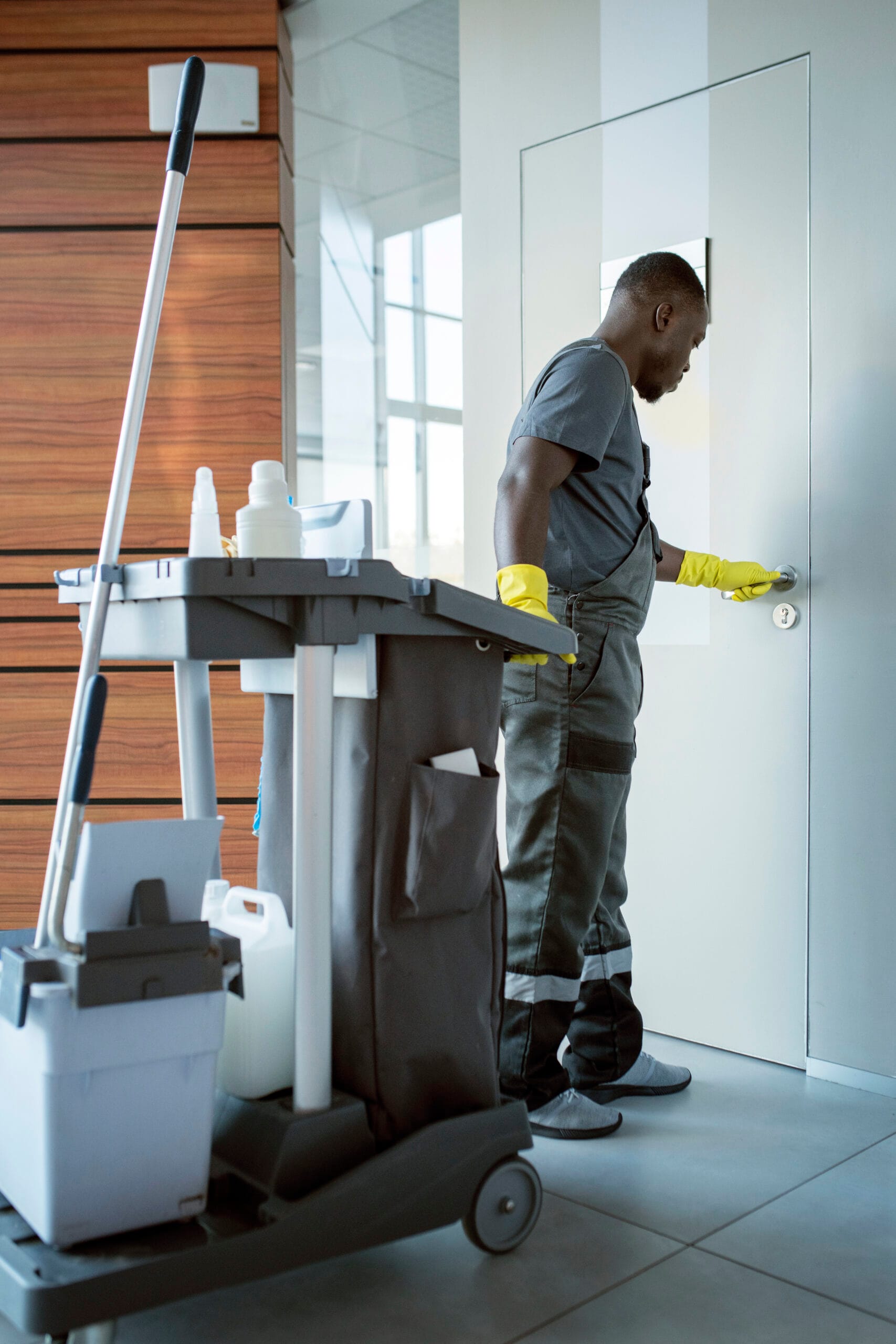
Surface cleanliness should be assessed not only in terms of visible dirt but also regarding the presence of germs and bacteria. High-touch areas such as doorknobs, light switches, and shared equipment require special attention to minimize the risk of illness transmission. Additionally, restroom sanitation is critical; audits should evaluate the frequency of cleaning, the availability of supplies such as soap and paper towels, and the overall condition of facilities.
Waste management practices should also be scrutinized to ensure that waste is disposed of properly and recycling initiatives are being followed. By including these key areas in the 2025 checklist, businesses can ensure that their janitorial audits are thorough and effective.

Implementing Sustainable Cleaning Practices
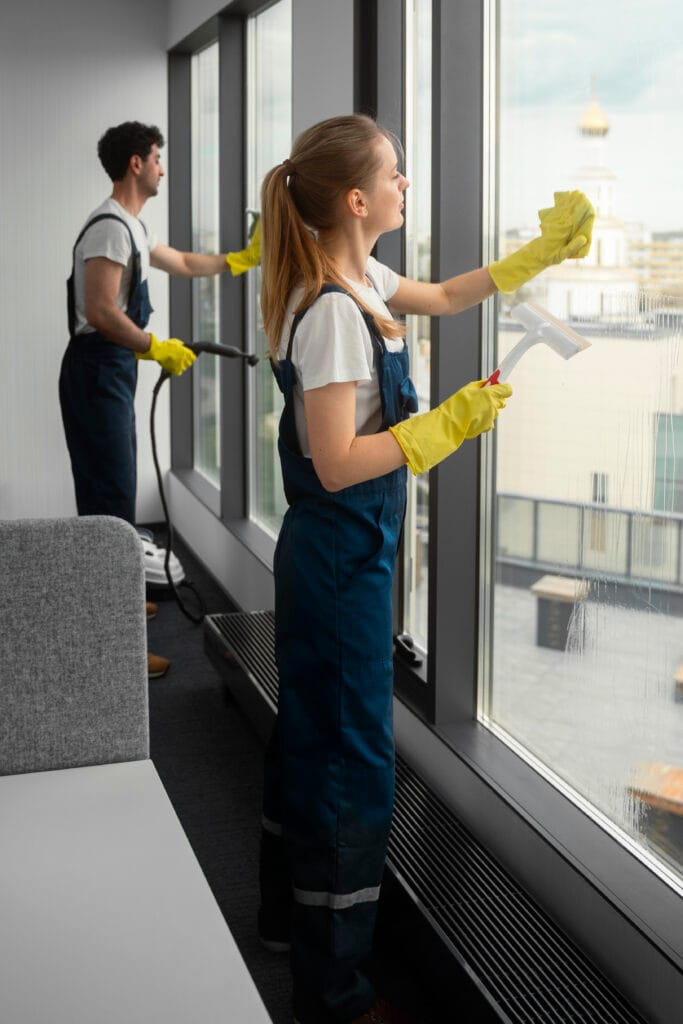
In recent years, there has been a growing emphasis on sustainability within the cleaning industry. Implementing sustainable cleaning practices not only benefits the environment but also enhances the overall health of indoor spaces. Businesses in the South Bay should prioritize eco-friendly cleaning products that are free from harmful chemicals and toxins.
These products not only reduce environmental impact but also contribute to better indoor air quality. Additionally, sustainable cleaning practices extend beyond product selection; they also encompass efficient cleaning methods that minimize water usage and energy consumption. For example, using microfiber cloths can significantly reduce the need for chemical cleaners while effectively capturing dust and dirt.
Furthermore, businesses should consider adopting green certifications for their cleaning processes, which can enhance their reputation and appeal to environmentally conscious clients. By integrating sustainable practices into their janitorial audits, businesses can demonstrate their commitment to both cleanliness and environmental responsibility.
Incorporating Technology for Efficiency and Effectiveness
The integration of technology into janitorial practices has revolutionized the way cleaning services are delivered. In the South Bay, businesses can leverage various technological advancements to enhance efficiency and effectiveness in their cleaning operations. For instance, utilizing automated cleaning equipment such as robotic vacuums can significantly reduce labor costs while ensuring consistent cleaning results.
Moreover, software solutions designed for facility management can streamline communication between janitorial staff and management. These platforms allow for real-time reporting of cleaning tasks, enabling managers to monitor performance and address any issues promptly. Additionally, data analytics can provide valuable insights into cleaning patterns and resource allocation, helping businesses optimize their janitorial services.
By embracing technology, companies in the South Bay can improve their cleaning processes while ensuring that they meet the evolving needs of their facilities.
Ensuring Compliance with Health and Safety Regulations
Regulatory Adherence
Compliance involves more than just meeting the minimum requirements. It requires a thorough understanding of local and state guidelines, as well as a commitment to maintaining high standards of cleanliness and sanitation.
Culture of Safety
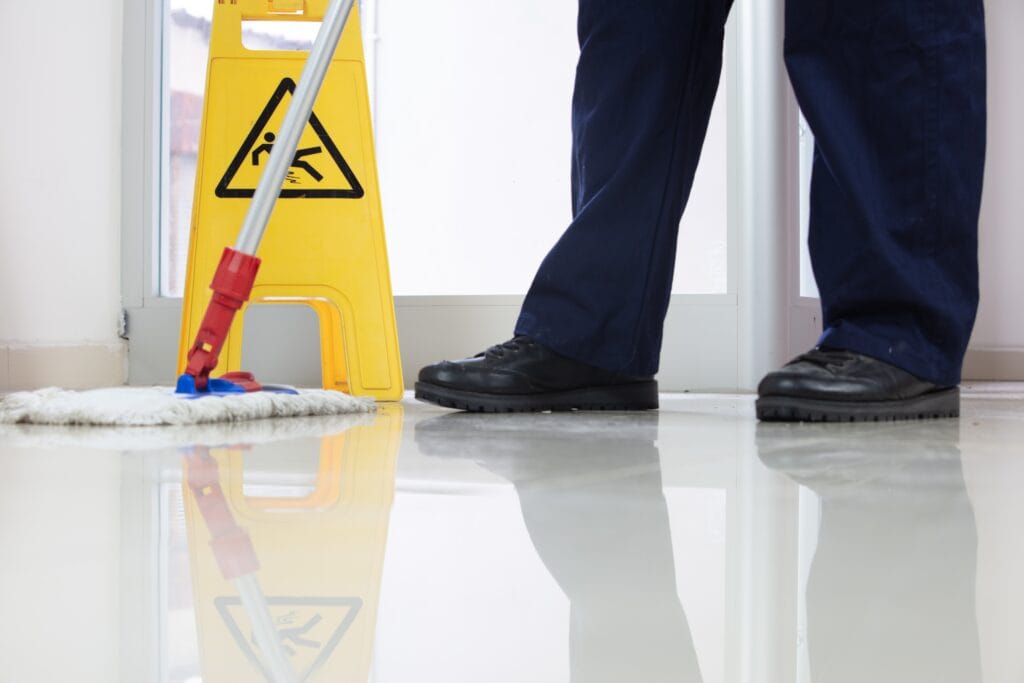
Compliance extends beyond mere adherence to regulations; it also involves creating a culture of safety within the workplace. Janitorial staff should be trained on proper safety protocols, including the use of personal protective equipment (PPE) and safe handling of cleaning chemicals.
Benefits of Prioritizing Compliance
By prioritizing compliance during janitorial audits, businesses can foster a safe environment for both employees and clients while minimizing potential liabilities. This proactive approach can help prevent accidents, reduce the risk of fines and legal issues, and promote a positive reputation for the business.
Addressing Indoor Air Quality and Green Cleaning Initiatives
Indoor air quality (IAQ) is an often-overlooked aspect of facility management that has significant implications for employee health and productivity. Poor IAQ can lead to various health issues, including respiratory problems and allergies. As part of their janitorial audits, businesses in the South Bay should assess factors affecting IAQ, such as ventilation systems, humidity levels, and the presence of pollutants.
Incorporating green cleaning initiatives is an effective way to improve IAQ while promoting sustainability. Using low-VOC (volatile organic compounds) cleaning products can significantly reduce harmful emissions in indoor spaces. Additionally, regular maintenance of HVAC systems ensures proper airflow and filtration, further enhancing air quality.
By addressing IAQ during janitorial audits, businesses can create healthier work environments that support employee well-being.
Training and Development of Janitorial Staff
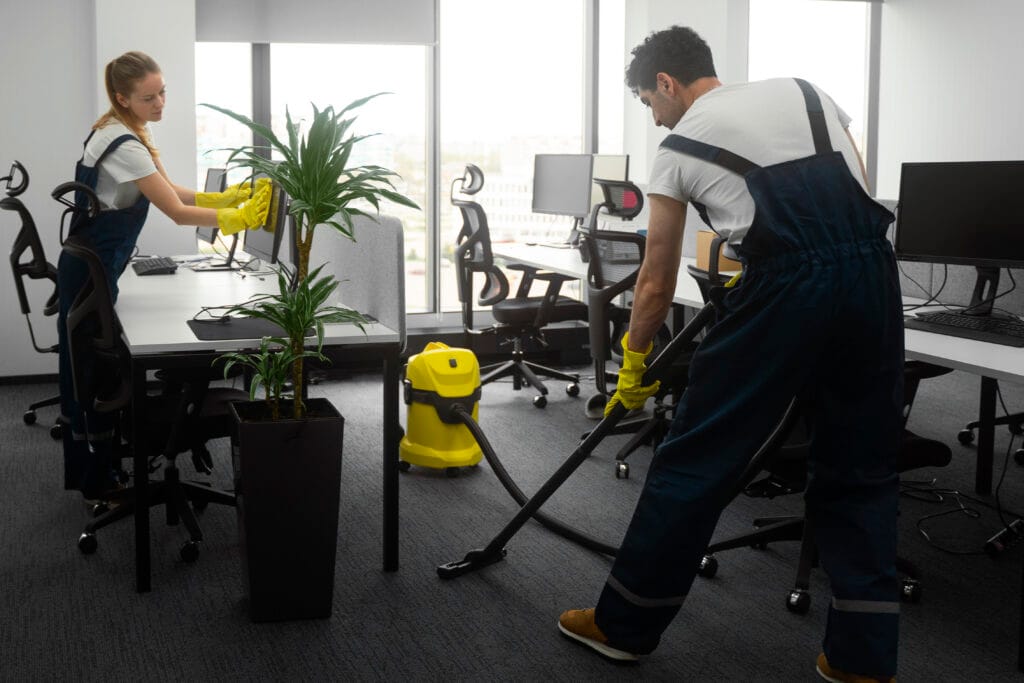
The effectiveness of any janitorial service largely depends on the training and development of its staff. In the South Bay, investing in comprehensive training programs for janitorial personnel is essential for maintaining high standards of cleanliness. Training should cover various topics, including proper cleaning techniques, safety protocols, and customer service skills.
Ongoing development opportunities are equally important; regular workshops or refresher courses can help staff stay updated on industry best practices and new cleaning technologies. By fostering a culture of continuous learning, businesses can empower their janitorial teams to take pride in their work while enhancing overall service quality. A well-trained staff not only improves cleaning outcomes but also contributes to a positive workplace atmosphere.
Establishing Clear Communication Channels with Janitorial Service Providers
Effective communication between businesses and their janitorial service providers is crucial for successful cleaning operations. In the South Bay, establishing clear communication channels ensures that expectations are understood and met consistently. Regular meetings or check-ins can facilitate open dialogue about performance metrics, challenges faced by staff, and any necessary adjustments to cleaning protocols.
Additionally, utilizing technology such as mobile apps or online platforms can streamline communication processes. These tools allow for real-time updates on cleaning tasks and enable quick reporting of any issues that arise. By fostering strong communication with janitorial service providers, businesses can create a collaborative environment that enhances service delivery while addressing concerns promptly.
Utilizing Data and Analytics for Performance Measurement
Data-driven decision-making is becoming increasingly important in all aspects of business operations, including janitorial services. In Northern California’s competitive landscape, utilizing data and analytics can provide valuable insights into cleaning performance and resource allocation. By tracking key performance indicators (KPIs) such as cleaning frequency, response times to issues, and customer satisfaction ratings, businesses can identify trends and areas for improvement.
Moreover, data analytics can help optimize staffing levels based on usage patterns within facilities. For instance, if certain areas require more frequent attention during peak hours, adjustments can be made accordingly to ensure cleanliness is maintained at all times. By leveraging data effectively during janitorial audits, businesses can enhance operational efficiency while delivering exceptional service quality.
The Future of Janitorial Audits in South Bay
As we move forward into an increasingly complex business landscape in Northern California’s South Bay region, the role of janitorial audits will continue to evolve. The emphasis on cleanliness will remain paramount as businesses strive to create safe environments for employees and clients alike. Regular audits will serve as essential tools for assessing compliance with health regulations while identifying opportunities for improvement.
Furthermore, integrating sustainable practices, technology solutions, and data analytics will shape the future of janitorial services in this area. By prioritizing these elements during audits, businesses can ensure they remain competitive while fostering healthier workplaces. Ultimately, the future of janitorial audits in South Bay lies in a commitment to excellence—one that prioritizes cleanliness, safety, sustainability, and continuous improvement in all aspects of facility management.
FAQs
What is a janitorial audit?
A janitorial audit is a comprehensive assessment of the cleaning and maintenance practices within a facility. It involves evaluating the cleanliness, safety, and overall effectiveness of the janitorial services.
Why is it important to conduct a janitorial audit?
Conducting a janitorial audit is important to ensure that the facility is being properly cleaned and maintained. It helps identify areas for improvement, ensures compliance with health and safety regulations, and ultimately contributes to a healthier and more productive environment for occupants.
What should be included in a janitorial audit checklist?
A janitorial audit checklist should include items such as cleanliness of floors, surfaces, and restrooms, proper use and maintenance of cleaning equipment, adherence to cleaning schedules, inventory management of cleaning supplies, and compliance with safety protocols.
How often should a janitorial audit be conducted?
The frequency of janitorial audits can vary depending on the size and type of facility, as well as specific cleaning needs. However, it is generally recommended to conduct audits at least annually, with more frequent audits for high-traffic or high-risk environments.
Who should be involved in a janitorial audit?
Key stakeholders involved in a janitorial audit may include facility managers, cleaning staff, health and safety officers, and external auditors or consultants. It is important to involve those who are directly responsible for cleaning and maintaining the facility, as well as those who can provide expertise in health and safety standards.