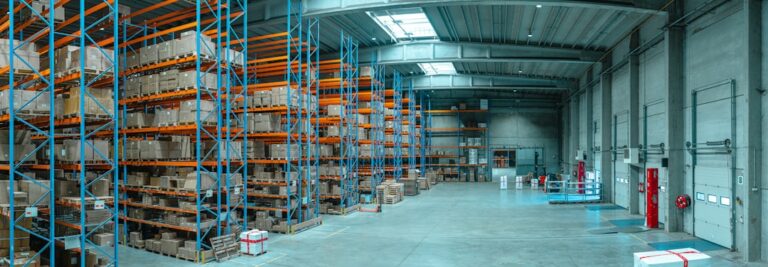
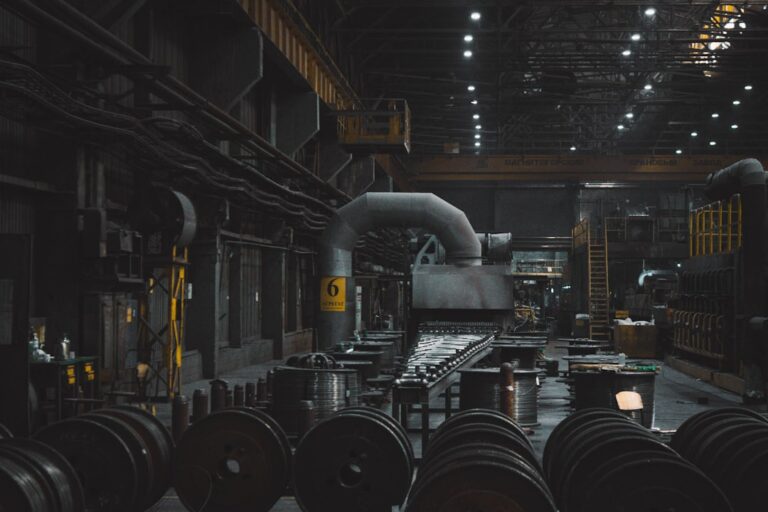
Facilities management, at its core, is the strategic coordination of an organization’s physical assets and human resources to ensure the optimal functioning of its built environment. It encompasses a broad spectrum of services, ranging from the mundane yet essential — such as cleaning and maintenance — to the complex and critical, like space planning and vendor negotiations. In the dynamic Californian business landscape, where operational efficiency directly translates to competitive advantage, the role of professional facilities management firms like United Facilities Group becomes paramount.
Understanding the Californian Business Landscape
California’s economy is characterized by its diversity, encompassing high-tech industries, agriculture, entertainment, and a booming service sector. This multifaceted environment presents unique challenges and opportunities for businesses.
The high cost of real estate, stringent environmental regulations, and a demanding workforce all contribute to a complex operational environment where every square foot and every energy dollar count. For organizations, navigating this intricate terrain without dedicated expertise can lead to significant inefficiencies, increased overhead, and ultimately, a compromised bottom line.
The Pressure of Operational Costs
In California, commercial rents are among the highest in the nation. This financial pressure necessitates an acute focus on space utilization and operational optimization. Every unmanaged utility cost, every inefficient maintenance schedule, and every underutilized workspace represents a quantifiable loss that directly impacts profitability. For businesses, uncontrolled operational costs are akin to a slow leak in a tire – seemingly minor at first, but ultimately deflating your progress.
Regulatory Compliance and Risk Mitigation
California leads the nation in environmental regulations, fire safety codes, and accessibility standards. Non-compliance is not merely a hypothetical risk; it carries substantial financial penalties, legal repercussions, and severe reputational damage. Facility managers are the frontline defense against these risks, ensuring all operations adhere to local, state, and federal mandates. Think of regulations as the guardrails on a busy highway – they’re there to prevent serious accidents, and adhering to them is non-negotiable for safe passage.
Talent Attraction and Retention
The modern workforce places a high value on a comfortable, safe, and productive work environment. A well-maintained facility, equipped with contemporary amenities and designed for efficiency and wellbeing, is a powerful tool in attracting and retaining top talent. Conversely, a neglected or poorly managed facility can be a significant deterrent, hindering an organization’s ability to compete in a tight labor market. Your facility is, in many ways, an extension of your brand – a silent ambassador speaking volumes about your organizational values.
The Scope of Professional Facilities Management Services
Professional facilities management extends far beyond basic upkeep. It is a comprehensive discipline that intertwines strategic planning with day-to-day execution, ensuring that all aspects of a facility contribute to an organization’s overarching goals. United Facilities Group, for instance, offers a holistic suite of services designed to address every facet of building and operational management.
Integrated Maintenance and Operations
This core service ensures the seamless functioning of all building systems. It encompasses both proactive and reactive measures. Proactive maintenance, such as scheduled inspections and preventative repairs, minimizes costly breakdowns and extends the lifespan of assets. Reactive maintenance addresses immediate issues promptly and efficiently, minimizing disruption to operations.
HVAC System Management
Optimal heating, ventilation, and air conditioning (HVAC) are crucial for occupant comfort, energy efficiency, and indoor air quality. Professional management includes routine maintenance, filter replacements, system diagnostics, and emergency repairs. An efficiently running HVAC system is like the circulatory system of a building – vital for its health and sustained performance.
Electrical and Plumbing Systems
These fundamental systems demand expert attention to prevent outages, leaks, and safety hazards. Regular inspections, code compliance checks, and prompt repairs are essential to maintain a safe and functional environment.
Building Fabric Maintenance
This involves the upkeep of the building’s structural components, including roofs, walls, flooring, and windows. Addressing wear and tear proactively prevents more substantial and expensive repairs down the line.
Strategic Space Planning and Utilization
In high-density urban areas like many parts of California, maximizing every square foot of office or operational space is critical. Strategic space planning involves analyzing current space usage, forecasting future needs, and designing efficient layouts that promote productivity and collaboration.
Office Layout Optimization
Redesigning office layouts to improve workflow, foster communication, and enhance employee satisfaction. This can include activity-based working arrangements, flexible workstations, and specialized collaborative zones.
Asset Tracking and Management
Efficiently cataloging and managing all physical assets within a facility, from furniture to specialized equipment. This ensures optimal utilization, helps in depreciation calculations, and aids in informed purchasing decisions.
Vendor Management and Procurement
Managing a multitude of vendors for various services — from cleaning to security to landscaping — can be time-consuming and complex. Professional facilities managers streamline this process, leveraging their industry relationships and expertise to secure competitive pricing and ensure high-quality service delivery.
Contract Negotiation
Expert negotiation with vendors to secure favorable terms, pricing, and service level agreements (SLAs). This is where professional firms can significantly reduce operational costs.
Performance Monitoring
Regularly assessing vendor performance against agreed-upon SLAs to ensure consistent quality and accountability. This is like having a diligent coach for your vendors, ensuring they always bring their ‘A’ game.
Leveraging Technology for Facilities Management Excellence
The advent of smart building technologies and advanced software has revolutionized facilities management, enabling unprecedented levels of efficiency, data-driven decision-making, and proactive problem-solving. Embracing these technological advancements is no longer a luxury but a fundamental necessity for competitive advantage.
Integrated Workplace Management Systems (IWMS)
IWMS platforms consolidate various facility management functions into a single, comprehensive system. This integration allows for a holistic view of operations, enhancing data accuracy and streamlining workflows.
Asset Management Modules
These modules track the lifecycle of every asset, scheduling preventive maintenance, logging repair histories, and providing valuable insights for replacement planning.
Space Management Tools
Visualizing floor plans, tracking occupancy rates, and modeling different layout scenarios to optimize space utilization. This is like having a digital blueprint that continuously adapts to your evolving needs.
Work Order Management
Automating the creation, assignment, and tracking of maintenance requests, ensuring prompt resolution and transparent communication.
Building Automation Systems (BAS)
BAS, sometimes referred to as Building Management Systems (BMS), control and monitor building systems such as HVAC, lighting, security, and fire safety from a centralized interface.
Energy Management
Optimizing energy consumption through intelligent scheduling, sensor-based controls, and predictive algorithms. This can lead to substantial reductions in utility costs and a smaller carbon footprint.
Remote Monitoring and Control
Enabling facility managers to monitor and adjust building systems remotely, enhancing responsiveness and operational continuity.
IoT and Sensor Technology
The Internet of Things (IoT) provides real-time data from various sensors deployed throughout a facility. This data offers granular insights into everything from occupancy levels to air quality and equipment performance.
Predictive Maintenance
Analyzing sensor data to anticipate equipment failures before they occur, enabling proactive repairs and minimizing downtime. This shifts the paradigm from reactive fixes to strategic prevention.
Occupancy Data Analysis
Understanding how spaces are used to inform design, cleaning schedules, and energy consumption. For example, dimming lights in unoccupied areas or adjusting HVAC based on real-time headcounts.
The Financial Benefits of Professional Facilities Management
While the upfront cost of professional facilities management might seem like an additional expense, numerous studies and real-world examples consistently demonstrate a significant return on investment. The financial benefits stem from both cost reductions and increased operational efficiency.
Cost Reduction Through Efficiency Gains
Professional facilities managers are experts in identifying and eliminating operational inefficiencies. Their deep understanding of building systems, vendor markets, and best practices allows them to optimize resource allocation, reduce waste, and negotiate better deals.
Energy Savings
Through advanced energy management strategies, including LED lighting upgrades, HVAC optimization, and smart building technologies, significant reductions in utility bills can be achieved.
Reduced Maintenance Costs
Preventative maintenance schedules and proactive repairs dramatically reduce the incidence of costly emergency repairs and extend the lifespan of valuable assets, delaying the need for expensive replacements.
Optimized Procurement
Leveraging economies of scale and expert negotiation, facilities managers can secure more favorable pricing for supplies, services, and equipment. This is akin to having a professional financial advisor manage your operational budget – they know where to find value.
Increased Asset Value and Longevity
Regular, professional maintenance not only keeps a facility operational but also preserves and enhances its long-term value. Well-maintained buildings command higher rental rates and sale prices.
Extended Equipment Lifespan
Properly maintained equipment and building systems last longer, delaying capital expenditures on replacements.
Enhanced Property Appeal
A well-maintained and aesthetically pleasing facility projects a professional image, which can attract tenants, clients, and employees, thus increasing the property’s market value.
Minimized Risks and Liabilities
By ensuring compliance with all regulatory standards and implementing robust safety protocols, professional facilities management significantly reduces the risk of fines, legal action, and potential liabilities.
Regulatory Compliance
Avoiding penalties and legal issues associated with non-compliance with health, safety, and environmental regulations.
Enhanced Safety Records
Implementing comprehensive safety programs reduces workplace accidents, leading to lower insurance premiums and improved employee morale.
Partnering with United Facilities Group in California
Choosing the right facilities management partner is a strategic decision that can significantly impact an organization’s success. In a market as complex and competitive as California, expertise, reliability, and a proactive approach are non-negotiable.
Tailored Solutions for Diverse Needs
United Facilities Group understands that no two organizations are identical. They offer customized facilities management solutions that are specifically designed to meet the unique operational requirements and strategic objectives of each client. Whether managing a single office building, a sprawling campus, or a portfolio of retail locations, “off-the-shelf” approaches often fall short.
Sector-Specific Expertise
Deep industry knowledge and experience catering to the nuances of various sectors, including corporate offices, healthcare facilities, manufacturing plants, and educational institutions.
Scalable Services
The ability to scale services up or down based on evolving organizational needs, ensuring flexibility and adaptability.
Commitment to Sustainability
In California, environmental stewardship is not just a trend; it’s a foundational business principle. United Facilities Group integrates sustainable practices into every aspect of its operations, helping clients reduce their environmental footprint and achieve their corporate social responsibility goals.
Green Cleaning Practices
Utilizing environmentally friendly cleaning products and practices that minimize chemical exposure and reduce waste.
Waste Management and Recycling Programs
Implementing robust waste diversion strategies to maximize recycling and composting efforts.
Energy Efficiency Initiatives
Designing and executing strategies that significantly reduce energy consumption, lowering utility costs and carbon emissions.
A Proactive and Responsive Approach
Effective facilities management is characterized by its foresight and agility. United Facilities Group adopts a proactive stance, anticipating potential issues before they escalate, and responding swiftly and efficiently to any challenges that arise.
24/7 Emergency Response
Providing round-the-clock support for critical issues, minimizing downtime and ensuring operational continuity.
Regular Performance Reporting
Transparent reporting on key performance indicators (KPIs), offering clients clear insights into the efficiency of their facility operations.
Continuous Improvement Philosophy
A commitment to constantly evaluate and refine processes, leveraging feedback and new technologies to drive ongoing improvements in service delivery. This iterative approach ensures that your facilities management strategy remains at the cutting edge.
In conclusion, for businesses operating in the demanding Californian environment, professional facilities management is not a discretionary expense but a strategic imperative. Firms like United Facilities Group provide the essential framework for operational excellence, allowing organizations to focus on their core competencies while ensuring their physical assets are meticulously managed, optimized, and aligned with their strategic objectives. The investment in professional facilities management invariably translates into a more efficient, compliant, sustainable, and ultimately, more profitable operation.
FAQs
What services does United Facilities Group offer in California?
United Facilities Group provides professional facility management services including janitorial cleaning, maintenance, landscaping, and specialized building services tailored to commercial properties in California.
Which industries does United Facilities Group serve?
They serve a wide range of industries such as healthcare, education, retail, industrial, and corporate office environments, offering customized facility management solutions.
Is United Facilities Group licensed and insured in California?
Yes, United Facilities Group is fully licensed and insured to operate in California, ensuring compliance with state regulations and providing peace of mind to their clients.
How does United Facilities Group ensure quality in their facility management services?
They implement rigorous quality control measures, including regular inspections, trained staff, and the use of advanced cleaning and maintenance technologies to maintain high standards.
Can United Facilities Group provide environmentally friendly facility management options?
Yes, United Facilities Group offers green cleaning and sustainable facility management practices designed to reduce environmental impact while maintaining effective service delivery.