The contemporary understanding of facility hygiene extends beyond rudimentary cleaning protocols, particularly in environments where human health is a primary concern. The transition from surface-level cleanliness to medical-grade disinfection represents a fundamental shift in preventing pathogen transmission and ensuring the safety of occupants. This article explores the imperative for medical-grade disinfection services, dissecting the scientific principles, operational necessities, and the multifaceted benefits such an approach offers to a diverse range of facilities.
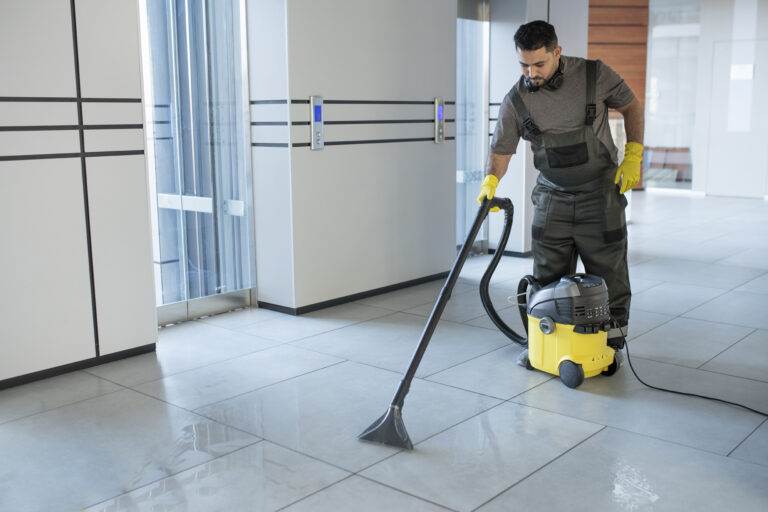
Standard cleaning, while vital for aesthetic appeal and basic hygiene, often falls short in addressing the microscopic threats that proliferate within a facility. The distinction between cleaning and disinfection is critical for understanding this inadequacy. Cleaning primarily involves the removal of visible dirt, debris, and some microorganisms through physical means, such as wiping, dusting, and mopping with general-purpose detergents. This process reduces the overall microbial load but does not necessarily eliminate pathogens capable of causing illness.
Microbial Persistence on Surfaces
Pathogens, including bacteria, viruses, and fungi, exhibit varying degrees of environmental tenacity. Some can survive on inanimate surfaces for extended periods, remaining viable and infectious. For instance, Methicillin-resistant Staphylococcus aureus (MRSA) can persist for days or even weeks on dry surfaces, while noroviruses are notoriously resilient. Standard cleaning agents and methods are often incapable of neutralizing these persistent threats.
- Bacterial Biofilms: Many bacteria form protective biofilms, complex communities encased in an extracellular polymeric substance, making them highly resistant to conventional cleaning and even some disinfectants. These biofilms can harbor pathogens and serve as reservoirs for infection.
- Viral Durability: Enveloped viruses (e.g., influenza, coronaviruses) are generally more susceptible to disinfectants than non-enveloped viruses (e.g., norovirus, poliovirus), which possess a more robust protein capsid, allowing them to withstand harsher environmental conditions.
- Fungal Spores: Certain fungi produce spores that are highly resistant to desiccation, heat, and chemical agents, posing a long-term contamination risk if not adequately addressed.
The Disinfection Gap
The “disinfection gap” refers to the period or areas where standard cleaning fails to achieve a sufficient reduction in pathogenic microorganisms. This gap can lead to cross-contamination, where pathogens are inadvertently transferred from contaminated surfaces to clean ones or to individuals, initiating new infection chains.
- High-Touch Surfaces: Door handles, light switches, elevator buttons, shared equipment, and restrooms are considered high-touch surfaces. These areas accumulate significant microbial loads and require frequent, meticulous disinfection beyond routine cleaning.
- Aerosolized Pathogens: While cleaning addresses surface contamination, airborne pathogens, once settled, become surface contaminants. Standard cleaning does not address the initial airborne transmission, but effective surface disinfection prevents subsequent contact transmission from settled particles.
The Scientific Imperative of Medical-Grade Disinfection
Medical-grade disinfection transcends mere cleanliness, engaging in a targeted war against microorganisms at a cellular level. It employs specific chemical agents and methodological rigor designed to inactivate or destroy pathogens, rendering them incapable of replication or infection. This rigor is not arbitrary; it is rooted in microbiology, chemistry, and epidemiology.
Categories of Disinfection
Disinfectants are categorized based on their efficacy against different classes of microorganisms, as defined by regulatory bodies such as the Environmental Protection Agency (EPA) and the Centers for Disease Control and Prevention (CDC).
- Low-Level Disinfectants: These agents typically kill most vegetative bacteria, some fungi, and some enveloped viruses, but not bacterial spores, Mycobacteria, or non-enveloped viruses. Examples include quaternary ammonium compounds at lower concentrations.
- Intermediate-Level Disinfectants: Effective against vegetative bacteria, most viruses (including non-enveloped), fungi, and Mycobacterium tuberculosis (mycobactericidal), but not necessarily bacterial spores. Examples include isopropyl alcohol (70-90%) and phenolic compounds.
- High-Level Disinfectants: These agents are capable of killing all microorganisms, with the exception of large numbers of bacterial spores. They are often used for reprocessing semi-critical instruments in healthcare settings. Examples include glutaraldehyde and hydrogen peroxide.
Medical-grade disinfection services primarily utilize intermediate-level and, in some cases, high-level disinfectants, selected based on the specific pathogens of concern and the facility’s risk profile.
Mechanism of Action
Understanding how disinfectants work is crucial for their effective application. Different chemical classes employ distinct mechanisms to inactivate microorganisms:
- Protein Denaturation/Coagulation: Alcohols and phenols primarily work by denaturing and coagulating microbial proteins, disrupting their cellular structure and enzymatic function.
- Membrane Disruption: Quaternary ammonium compounds (Quats) intercalate into the cell membrane, altering its permeability and leading to leakage of cytoplasmic contents.
- Oxidation: Hydrogen peroxide and hypochlorites (bleach) are strong oxidizers, damaging cellular components like proteins, lipids, and nucleic acids. This non-specific damage makes them effective against a broad spectrum of microbes.
- Alkylation of Nucleic Acids: Glutaraldehyde and formaldehyde react with and alkylate cellular nucleic acids and proteins, disrupting their structure and function.
The effectiveness of a disinfectant is influenced by factors such as concentration, contact time, temperature, pH, and the presence of organic material (e.g., blood, mucus), which can neutralize or reduce the activity of some agents. Medical-grade services account for these variables, ensuring optimal conditions for pathogen elimination.
Mitigating Health Risks and Preventing Outbreaks

The primary driver for implementing medical-grade disinfection is the robust mitigation of health risks associated with pathogenic microorganisms. In any shared environment, the potential for infectious disease transmission is a constant concern. From common colds to highly virulent pathogens, a single contaminated surface can serve as a nexus for an outbreak.
Reduction of Healthcare-Associated Infections (HAIs)
Although typically associated with hospitals, the principles of HAI prevention apply to various facilities where vulnerable populations congregate, such as nursing homes, assisted living facilities, and even schools or daycare centers. Medical-grade disinfection significantly reduces the environmental reservoir of pathogens contributing to HAIs and similar community-acquired infections.
- Targeting Resistant Strains: The rise of antibiotic-resistant bacteria like MRSA, Vancomycin-resistant Enterococcus (VRE), and Carbapenem-resistant Enterobacteriaceae (CRE) necessitates powerful disinfection strategies. These superbugs emphasize the need for agents that can effectively neutralize them on surfaces.
- Viral Outbreak Prevention: Facilities, especially those frequented by children or the elderly, are susceptible to viral outbreaks (e.g., flu, norovirus, RSV). Proactive medical-grade disinfection can break chains of transmission, reducing the incidence and severity of such events.
Protecting Vulnerable Populations
Certain demographics are inherently more susceptible to infection due to compromised immune systems, age, or underlying health conditions. These groups include:
- Immunocompromised Individuals: Patients undergoing chemotherapy, organ transplant recipients, or individuals with autoimmune diseases have weakened immune systems and are at a higher risk of severe infection from otherwise benign microorganisms.
- Elderly Individuals: The aging immune system is less effective at fighting off infections, and the elderly often have co-morbidities that increase their vulnerability.
- Young Children: Their developing immune systems are less experienced in combating a wide range of pathogens, making them prone to infections, particularly in group settings.
For facilities serving these populations, medical-grade disinfection is not merely an enhancement; it is a fundamental aspect of duty of care, creating a safer environment where these individuals can thrive without undue risk of infection.
Operational Efficiency and Regulatory Compliance
Beyond immediate health benefits, the adoption of medical-grade disinfection services contributes significantly to operational efficiency and ensures adherence to stringent regulatory frameworks. This strategic investment can preclude costly disruptions, reputational damage, and legal repercussions.
Streamlined Cleaning Protocols
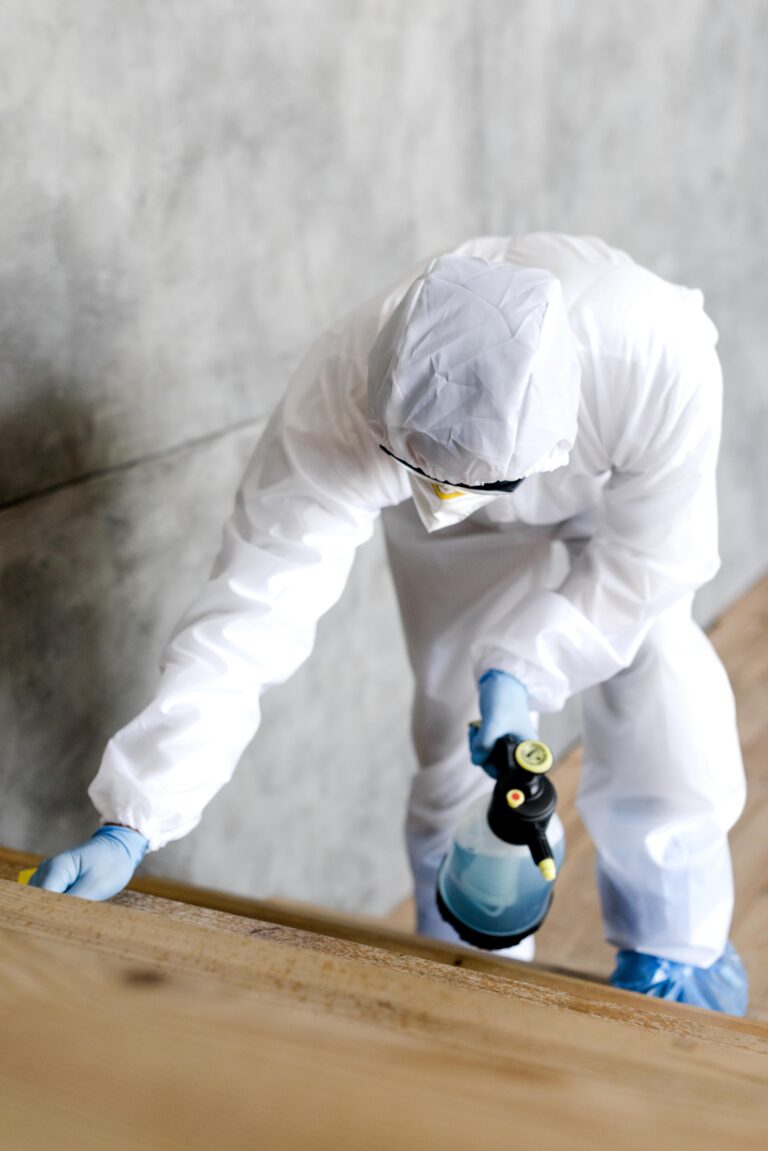
Professional medical-grade disinfection services utilize trained personnel, specialized equipment (e.g., electrostatic sprayers, UV-C lights in conjunction with chemical disinfection), and validated protocols. This structured approach ensures thoroughness and consistency, often more efficiently than ad-hoc internal cleaning efforts.
- Minimized Downtime: In the event of a suspected or confirmed outbreak, quick and effective disinfection can dramatically reduce the time a facility needs to be closed or have areas cordoned off. Rapid response teams from specialized services can deploy quickly, perform thorough disinfection, and facilitate a swifter return to normal operations.
- Optimized Resource Allocation: Outsourcing disinfection to experts allows internal staff to focus on their core competencies, rather than diverting resources and training towards highly specialized cleaning tasks. This optimization enhances overall operational efficiency.
Adherence to Industry Standards and Regulations
Various industries and governmental bodies mandate specific hygiene and disinfection standards, particularly in sectors such as healthcare, education, food service, and even certain commercial environments. Non-compliance can lead to severe penalties, including fines, operational suspensions, and loss of licensure.
- OSHA Guidelines: The Occupational Safety and Health Administration (OSHA) provides guidelines for infection control, particularly regarding bloodborne pathogens and occupational exposure to infectious agents. Medical-grade disinfection helps facilities meet these critical safety standards.
- CDC Recommendations: The CDC issues extensive recommendations for environmental infection control in various settings. Professional disinfection services are often well-versed in these guidelines and can implement protocols that align with the highest levels of CDC advice.
- Specific Industry Regulations: Depending on the facility type, there may be additional state or local regulations governing hygiene and disinfection. For instance, in childcare, specific ratios of disinfectant to water and contact times for particular surfaces might be legally required.
The Long-Term Economic and Reputational Advantages
| Metric | Description | Typical Value | Impact on Facility |
|---|---|---|---|
| Pathogen Reduction Rate | Percentage of harmful microorganisms eliminated | 99.9% | Significantly lowers risk of infections and outbreaks |
| Surface Contact Time | Duration disinfectant remains effective on surfaces | 5-10 minutes | Ensures thorough disinfection beyond visible cleaning |
| Frequency of Disinfection | Number of disinfection cycles per day | 2-4 times | Maintains continuous protection in high-traffic areas |
| Reduction in Healthcare-Associated Infections (HAIs) | Decrease in infection rates due to improved disinfection | Up to 40% | Improves patient safety and reduces liability |
| Compliance with Health Standards | Adherence to CDC and WHO disinfection guidelines | 100% | Ensures regulatory compliance and facility accreditation |
| Use of EPA-Registered Disinfectants | Type of disinfectants used for medical-grade cleaning | Yes | Guarantees effectiveness against a broad spectrum of pathogens |
| Cost Efficiency | Cost per square foot for medical-grade disinfection | Varies by facility size | Balances budget with enhanced safety measures |
While medical-grade disinfection may appear as an upfront investment, its long-term economic and reputational benefits often far outweigh the costs, establishing it as a judicious expenditure for responsible facility management.
Reduced Absenteeism and Productivity Loss
A healthier environment directly translates to a healthier workforce or student body. By reducing the transmission of common illnesses (e.g., cold, flu, norovirus), medical-grade disinfection can significantly curb absenteeism.
- Workplace Productivity: Fewer sick days mean consistent staffing, less strain on healthy employees covering for absent colleagues, and sustained productivity levels. The economic cost of absenteeism due to illness is substantial, making preventive measures economically sound.
- Educational Continuity: In schools and universities, reduced illness among students and staff leads to better attendance, improved learning outcomes, and fewer disruptions to academic calendars. This benefits both individual students and the institution’s overall educational mission.
Enhanced Public Trust and Brand Image
In an era of heightened health consciousness, a facility’s commitment to hygiene is a powerful differentiator. Visible dedication to medical-grade disinfection instills confidence among occupants, clients, and partners.
- Client and Employee Confidence: When individuals perceive a high level of cleanliness and safety, their trust in the facility’s management increases. This is particularly crucial in customer-facing businesses, healthcare facilities, and long-term care environments.
- Competitive Advantage: Businesses that visibly prioritize stringent hygiene standards can gain a competitive edge, attracting and retaining clients or employees who value such commitments.
- Mitigation of Reputational Damage: Outbreaks can swiftly lead to negative publicity, eroding public trust and causing lasting reputational harm. Proactive medical-grade disinfection acts as a robust shield against such eventualities, safeguarding the facility’s image and long-term viability.
For example, a sudden outbreak of a highly contagious virus in a corporate office could lead to widespread negative press, a dip in employee morale, and potentially a decline in business partnerships due to perceived negligence. Conversely, a transparent and rigorous disinfection strategy demonstrates a proactive and responsible approach, bolstering the organization’s standing.
In essence, medical-grade disinfection is far more than a superficial scrub; it is a strategic investment in health, safety, efficiency, and reputation. It serves as a sophisticated barrier against the unseen threats that can compromise well-being and operational continuity, demonstrating a commitment to excellence that resonates across all facets of a facility’s existence.