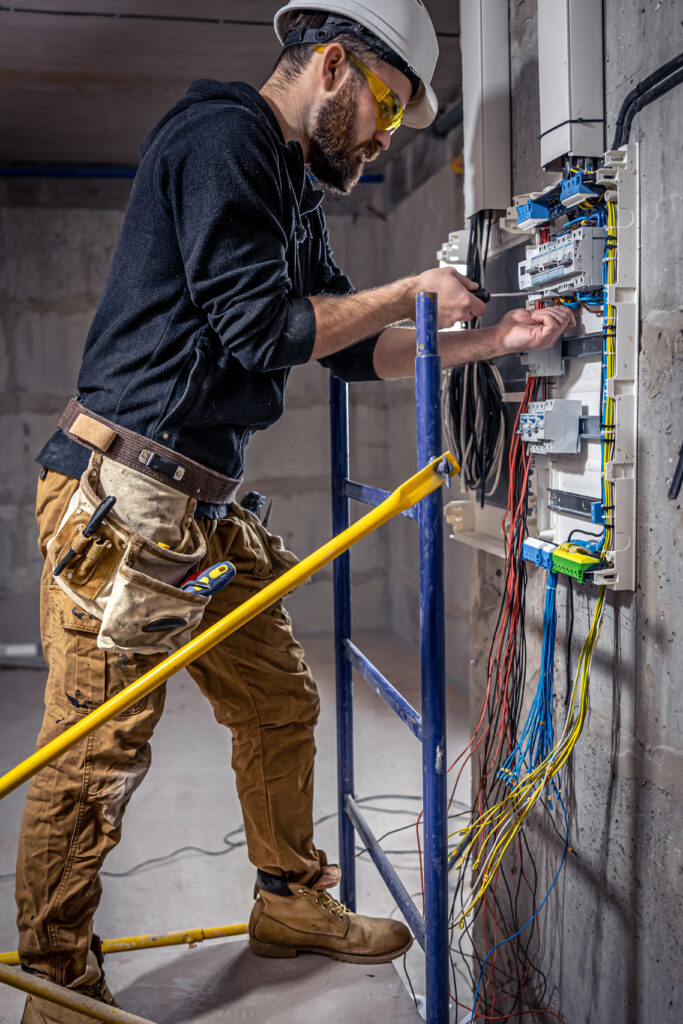
Electrical maintenance in multi-tenant buildings is a critical aspect of property management that often goes overlooked. In Northern California, where diverse weather conditions and a growing population place additional demands on electrical systems, ensuring that these systems are well-maintained is essential for the safety and comfort of all tenants. The complexity of electrical systems in multi-tenant buildings requires a proactive approach to maintenance, as neglecting this responsibility can lead to significant hazards, including electrical fires, equipment failures, and costly repairs.
Proper electrical maintenance not only safeguards the physical structure but also enhances tenant satisfaction and retention. When tenants feel secure in their living environment, they are more likely to renew leases and recommend the property to others. Therefore, property managers must prioritize electrical maintenance as part of their overall strategy to ensure the longevity of their buildings and the well-being of their residents.
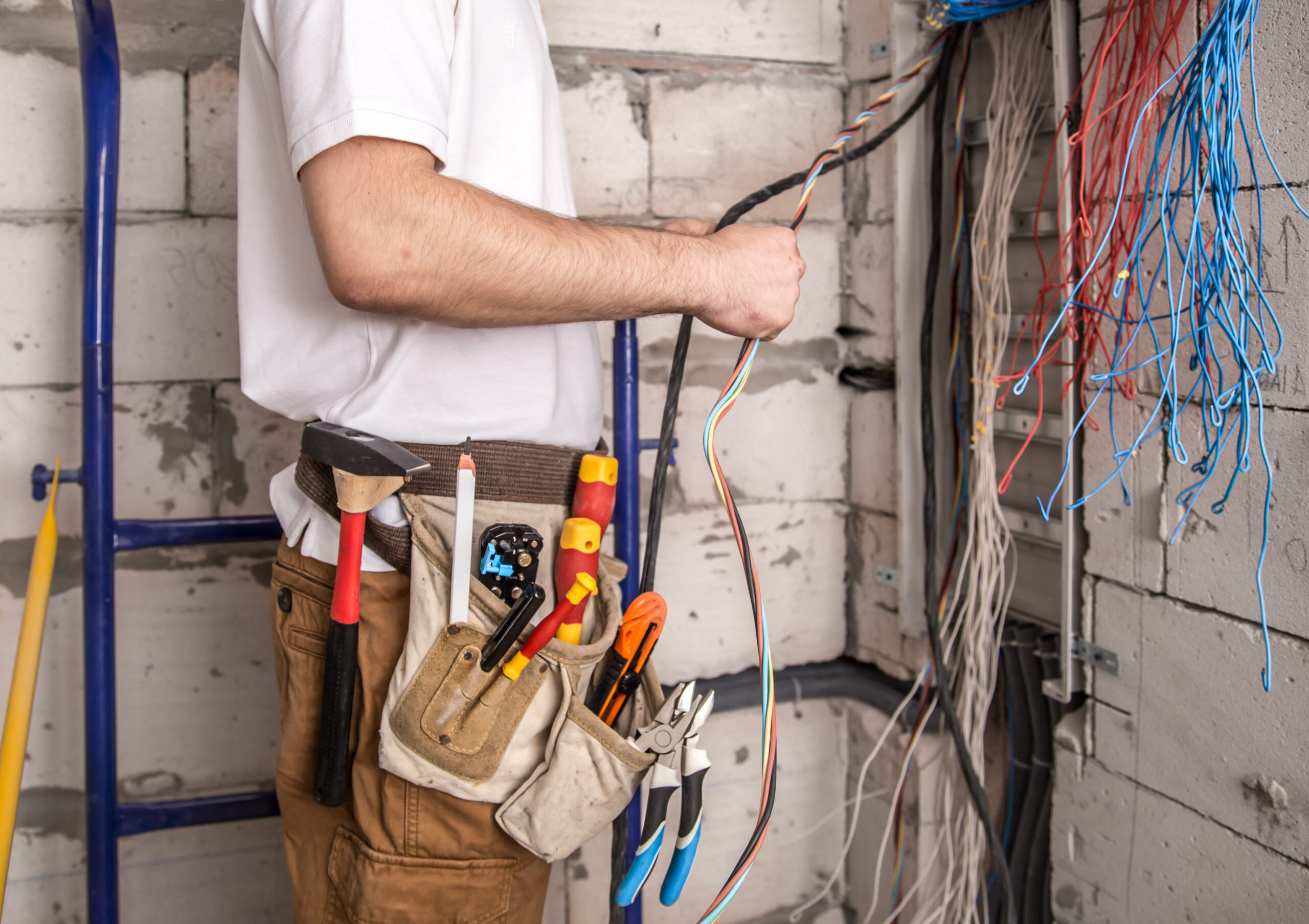

Key Takeaways
- Regular electrical maintenance is crucial in multi-tenant buildings to ensure safety and functionality.
- Lack of regular inspections and maintenance can lead to potential hazards and costly repairs.
- Ignoring safety protocols and regulations can put tenants and the building at risk of electrical accidents.
- Overloading circuits and electrical panels can result in power outages and damage to electrical systems.
- Neglecting minor electrical issues can lead to larger, more expensive problems in the future.
Lack of Regular Inspections and Maintenance
One of the most significant pitfalls in managing electrical systems in multi-tenant buildings is the lack of regular inspections and maintenance. Many property managers underestimate the importance of routine checks, believing that if the system appears to be functioning well, it does not require attention. However, electrical systems are complex and can develop issues that are not immediately visible.
Regular inspections can identify potential problems before they escalate into serious hazards. In Northern California, where seismic activity is a concern, regular inspections become even more crucial. Earthquakes can cause damage to electrical systems that may not be apparent until a thorough examination is conducted.
By implementing a schedule for routine inspections, property managers can ensure that any issues are addressed promptly, thereby reducing the risk of electrical failures and enhancing the overall safety of the building.
Ignoring Safety Protocols and Regulations

Ignoring safety protocols and regulations is another common mistake made in the management of electrical systems in multi-tenant buildings. Compliance with local, state, and federal regulations is not just a legal obligation; it is a fundamental aspect of ensuring tenant safety. In Northern California, where building codes are stringent, adherence to these regulations is essential for preventing accidents and ensuring that electrical systems operate safely.
Failure to comply with safety protocols can lead to severe consequences, including fines, legal liabilities, and increased insurance premiums. Moreover, neglecting these regulations can put tenants at risk, potentially leading to injuries or fatalities. Property managers must stay informed about current regulations and ensure that all electrical work is performed in compliance with these standards.
This commitment to safety not only protects tenants but also enhances the reputation of the property management team.
Overloading Circuits and Electrical Panels
Overloading circuits and electrical panels is a prevalent issue in multi-tenant buildings, particularly as tenants bring in more electronic devices and appliances. Each unit may have its own set of power demands, and when these demands exceed the capacity of the electrical system, it can lead to circuit failures or even fires. Property managers must be vigilant about monitoring the load on circuits and ensuring that they are not overloaded.
In Northern California, where energy efficiency is increasingly emphasized, it is essential for property managers to educate tenants about responsible energy use. Providing guidelines on how to avoid overloading circuits can help mitigate risks. Additionally, upgrading electrical panels to accommodate higher loads may be necessary as tenant needs evolve.
By proactively addressing these concerns, property managers can enhance safety and prevent costly damage to both the building and its occupants.
Neglecting to Address Minor Electrical Issues
Minor electrical issues may seem insignificant at first glance, but neglecting them can lead to more significant problems down the line. Flickering lights, tripped breakers, or outlets that do not work properly are often dismissed as minor inconveniences; however, these issues can indicate underlying problems within the electrical system. Property managers should prioritize addressing even minor concerns promptly to prevent them from escalating into major hazards.
In multi-tenant buildings, where multiple units share electrical systems, a minor issue in one unit can affect others. For example, a malfunctioning outlet could lead to power surges that impact neighboring units. By fostering a culture of prompt reporting and resolution of electrical issues among tenants, property managers can maintain a safer environment for everyone.
Regular communication about the importance of reporting minor issues can also help create a proactive maintenance culture within the building.
Using Unqualified or Inexperienced Electricians
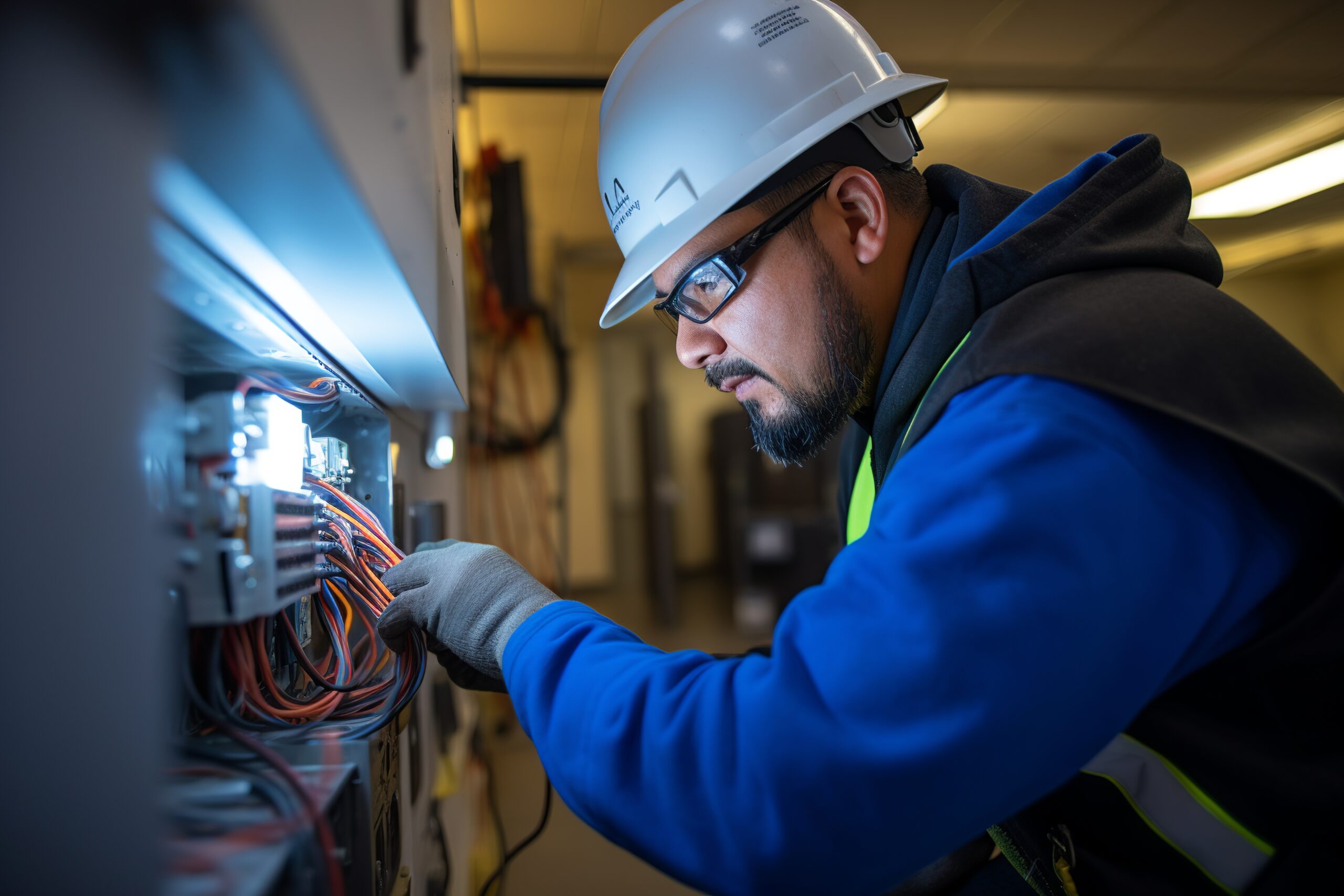
The choice of electricians for maintenance and repair work is crucial in ensuring the safety and reliability of electrical systems in multi-tenant buildings. Using unqualified or inexperienced electricians can lead to subpar work that may compromise safety standards. In Northern California, where building codes are strict and compliance is essential, hiring qualified professionals is non-negotiable.
Property managers should conduct thorough vetting processes when selecting electricians for their buildings. This includes checking licenses, certifications, and references to ensure that the electricians have the necessary skills and experience to perform the required work safely and effectively. Investing in qualified professionals not only enhances safety but also contributes to the longevity of the electrical systems within the building.
Failing to Communicate Maintenance Responsibilities with Tenants
Effective communication regarding maintenance responsibilities is vital in multi-tenant buildings. Tenants should be aware of their role in reporting issues and understanding what maintenance tasks fall under their responsibility versus those managed by property management. Failing to establish clear lines of communication can lead to misunderstandings and delays in addressing electrical problems.
In Northern California’s diverse rental market, where tenant demographics may vary widely, tailored communication strategies are essential. Property managers should consider utilizing various communication channels—such as newsletters, emails, or community meetings—to ensure that all tenants are informed about maintenance responsibilities. By fostering open communication, property managers can encourage tenants to take an active role in maintaining their living environment while also ensuring that they know when to report issues that require professional attention.
Not Having a Comprehensive Electrical Maintenance Plan
A comprehensive electrical maintenance plan is essential for ensuring the long-term reliability and safety of electrical systems in multi-tenant buildings. Without such a plan, property managers may find themselves reacting to issues rather than proactively preventing them. A well-structured maintenance plan should include regular inspections, scheduled upgrades, and clear protocols for addressing repairs.
In Northern California’s competitive rental market, having a comprehensive maintenance plan can also serve as a selling point for prospective tenants. It demonstrates a commitment to safety and quality living conditions, which can enhance tenant satisfaction and retention rates. Property managers should invest time in developing a detailed maintenance plan that outlines responsibilities, timelines, and procedures for addressing various electrical issues.
Disregarding the Importance of Upgrading Outdated Electrical Systems
As technology advances and energy demands increase, upgrading outdated electrical systems becomes imperative for multi-tenant buildings. Many older buildings in Northern California may still rely on antiquated wiring or insufficient electrical panels that cannot accommodate modern power needs. Disregarding the importance of these upgrades can lead to inefficiencies and safety hazards.
Investing in modernizing electrical systems not only enhances safety but also improves energy efficiency—an increasingly important consideration for environmentally conscious tenants. Property managers should assess their buildings’ electrical systems regularly and prioritize upgrades as needed. By staying ahead of technological advancements and energy efficiency standards, property managers can create a safer and more appealing living environment for tenants.
Underestimating the Impact of Weather and Environmental Factors
Weather and environmental factors play a significant role in the performance of electrical systems in multi-tenant buildings. In Northern California, where wildfires, heavy rains, and seismic activity are common concerns, property managers must consider how these factors can impact their electrical infrastructure. For instance, heavy rains can lead to flooding that affects wiring systems or outdoor equipment.
To mitigate these risks, property managers should implement strategies that account for local environmental conditions. This may include installing weather-resistant equipment or conducting regular inspections after severe weather events to assess any potential damage. By being proactive about environmental impacts on electrical systems, property managers can enhance safety and reduce the likelihood of costly repairs.
Conclusion and Importance of Proper Electrical Maintenance in Multi-Tenant Buildings
In conclusion, proper electrical maintenance in multi-tenant buildings is essential for ensuring tenant safety, satisfaction, and overall building integrity. From regular inspections to adhering to safety protocols and upgrading outdated systems, property managers must take a proactive approach to managing their electrical infrastructure. In Northern California’s unique environment, where weather conditions and regulatory requirements present additional challenges, prioritizing electrical maintenance becomes even more critical.
By addressing common pitfalls such as neglecting minor issues or using unqualified electricians, property managers can create a safer living environment for tenants while also protecting their investment in the property. Ultimately, a commitment to comprehensive electrical maintenance not only enhances tenant experiences but also contributes to the long-term success of multi-tenant buildings in Northern California’s competitive rental market.
FAQs
What are common electrical maintenance mistakes in multi-tenant buildings?
Some common electrical maintenance mistakes in multi-tenant buildings include neglecting regular inspections, using unqualified personnel for repairs, overloading circuits, ignoring warning signs of electrical issues, and failing to keep proper records of maintenance activities.
Why is neglecting regular inspections a common electrical maintenance mistake in multi-tenant buildings?
Neglecting regular inspections can lead to undetected electrical issues that may pose safety hazards to the building occupants. Regular inspections help identify potential problems early on and prevent costly repairs or accidents.
What are the risks of using unqualified personnel for electrical repairs in multi-tenant buildings?
Using unqualified personnel for electrical repairs can lead to improper fixes, which may result in electrical hazards, code violations, and potential damage to the building’s electrical system. It is important to hire licensed and experienced electricians for any electrical work.
How does overloading circuits contribute to electrical maintenance issues in multi-tenant buildings?
Overloading circuits can lead to overheating, tripped breakers, and potential fire hazards. It is important to ensure that the electrical load is distributed evenly and that circuits are not overloaded to prevent maintenance issues.
Why is it important to address warning signs of electrical issues in multi-tenant buildings?
Ignoring warning signs of electrical issues, such as flickering lights, burning smells, or sparking outlets, can lead to serious electrical problems and safety hazards. Promptly addressing these warning signs can prevent major electrical maintenance issues.
Why is keeping proper records of maintenance activities important for electrical maintenance in multi-tenant buildings?
Keeping proper records of maintenance activities helps track the history of electrical work, identify recurring issues, and ensure that maintenance is performed on schedule. It also provides documentation for compliance with regulations and standards.