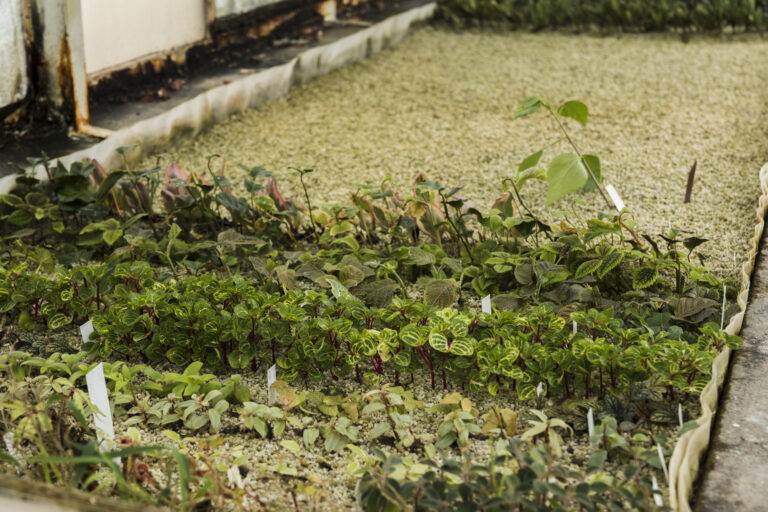
In recent years, the concept of green landscaping has gained significant traction, particularly in regions like Northern California, where the natural beauty of the landscape is both a treasure and a responsibility. Green landscaping solutions focus on creating outdoor spaces that are not only aesthetically pleasing but also environmentally sustainable. This approach emphasizes the use of native plants, sustainable materials, and eco-friendly practices that contribute to the health of the ecosystem while enhancing the overall appeal of hospitality businesses.
As the hospitality industry continues to evolve, integrating green landscaping solutions has become essential for establishments looking to attract environmentally conscious guests and reduce their ecological footprint. The importance of green landscaping extends beyond mere aesthetics; it plays a crucial role in promoting biodiversity, conserving water, and reducing maintenance costs. In Northern California, where coastal climates present unique challenges, adopting green landscaping practices can significantly benefit hospitality businesses.
By prioritizing sustainability in their outdoor spaces, these establishments can create inviting environments that resonate with guests while also contributing positively to the local ecosystem. This article will explore various aspects of green landscaping solutions tailored specifically for hospitality businesses in Northern California, highlighting the benefits and practical applications of these eco-friendly practices.



Key Takeaways
- Green landscaping solutions offer environmentally friendly alternatives for creating and maintaining landscapes.
- Hospitality businesses can benefit from green landscaping through cost savings, improved aesthetics, and positive environmental impact.
- Drought-resistant planting options for coastal climates include native plants and succulents that require less water.
- Sustainable irrigation systems, such as drip irrigation and rainwater harvesting, can help conserve water in coastal landscapes.
- Eco-friendly lawn care practices, such as mulching and using natural fertilizers, can reduce environmental impact in hospitality landscapes.
Benefits of Green Landscaping for Hospitality Businesses
The advantages of implementing green landscaping solutions in hospitality settings are manifold. First and foremost, these practices can enhance the overall guest experience. A well-designed landscape featuring native plants and sustainable features creates a serene atmosphere that encourages relaxation and enjoyment.
Guests are increasingly drawn to establishments that prioritize environmental stewardship, and a commitment to green landscaping can serve as a powerful marketing tool. By showcasing their dedication to sustainability, hospitality businesses can attract a growing demographic of eco-conscious travelers who seek out accommodations that align with their values. Moreover, green landscaping can lead to significant cost savings over time.
Traditional landscaping often requires extensive water usage, chemical fertilizers, and frequent maintenance, all of which can strain budgets. In contrast, green landscaping practices focus on drought-resistant plants and sustainable irrigation systems that minimize water consumption and reduce maintenance needs. By investing in eco-friendly landscaping solutions, hospitality businesses can lower their operational costs while simultaneously contributing to environmental conservation efforts.
This dual benefit makes green landscaping an attractive option for establishments looking to improve their bottom line while making a positive impact on the planet.
Drought-Resistant Planting Options for Coastal Climates
In Northern California’s coastal regions, drought-resistant planting options are essential for creating sustainable landscapes that thrive in challenging conditions. The unique climate of this area, characterized by dry summers and mild winters, necessitates careful selection of plant species that can withstand periods of low water availability. Native plants are often the best choice for these landscapes, as they have adapted to local conditions over time and require minimal irrigation once established.
Species such as California poppies, lavender, and succulents not only add beauty to outdoor spaces but also support local wildlife by providing habitat and food sources. Incorporating drought-resistant plants into hospitality landscapes not only conserves water but also enhances the overall aesthetic appeal of the property. By designing landscapes that feature a diverse array of textures and colors from native plants, hospitality businesses can create visually stunning environments that resonate with guests.
Additionally, these plants often require less maintenance than non-native species, allowing staff to focus on other aspects of property management while still maintaining an attractive outdoor space. Ultimately, selecting drought-resistant planting options is a win-win for both the environment and the hospitality industry.
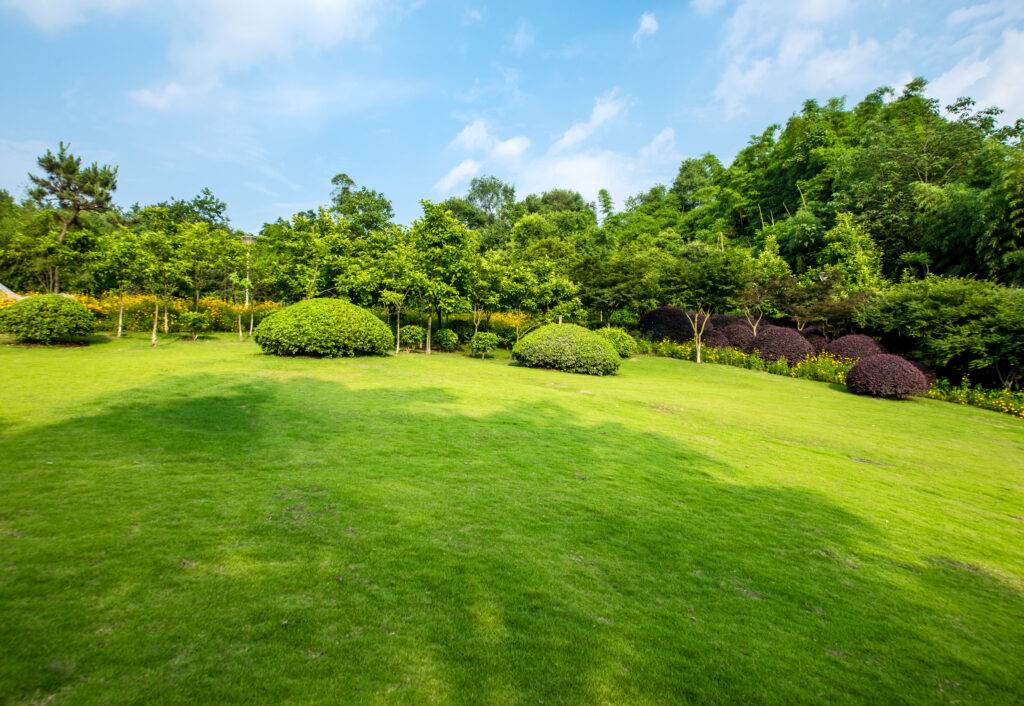

Sustainable Irrigation Systems for Coastal Landscapes
Implementing sustainable irrigation systems is a critical component of effective green landscaping in Northern California’s coastal regions. Traditional irrigation methods often lead to water waste and can contribute to soil erosion and nutrient runoff. In contrast, sustainable irrigation systems utilize advanced technologies such as drip irrigation and smart controllers that optimize water usage based on real-time weather data and soil moisture levels.
These systems ensure that plants receive the right amount of water without excess runoff or evaporation, making them ideal for coastal landscapes where water conservation is paramount. Moreover, sustainable irrigation systems can be designed to work in harmony with the natural landscape. For instance, rainwater harvesting systems can be integrated into the landscape design to capture and store rainwater for later use in irrigation.
This not only reduces reliance on municipal water sources but also helps mitigate stormwater runoff, which can lead to pollution in coastal waters. By adopting sustainable irrigation practices, hospitality businesses can significantly reduce their water consumption while maintaining lush and vibrant outdoor spaces that enhance the guest experience.
Eco-Friendly Lawn Care Practices
Maintaining a healthy lawn is an integral part of any hospitality landscape, but traditional lawn care practices often rely on chemical fertilizers and pesticides that can harm the environment. Eco-friendly lawn care practices offer a sustainable alternative that prioritizes the health of both the lawn and the surrounding ecosystem. Techniques such as organic fertilization, natural pest control methods, and proper mowing practices can help create a lush lawn without compromising environmental integrity.
One effective eco-friendly practice is the use of organic fertilizers derived from natural sources such as compost or manure. These fertilizers enrich the soil without introducing harmful chemicals that can leach into waterways. Additionally, implementing integrated pest management (IPM) strategies allows hospitality businesses to control pests using natural predators and environmentally safe treatments rather than relying solely on chemical pesticides.
By adopting these eco-friendly lawn care practices, hospitality establishments can maintain beautiful outdoor spaces while minimizing their impact on the environment.


Incorporating Native Plants into Coastal Landscapes
Incorporating native plants into coastal landscapes is a fundamental aspect of green landscaping that offers numerous benefits for hospitality businesses in Northern California. Native plants are well-suited to local climates and soil conditions, making them more resilient and easier to maintain than non-native species. By choosing native plants for their landscapes, hospitality establishments can create vibrant outdoor spaces that reflect the natural beauty of the region while supporting local biodiversity.
Furthermore, native plants play a crucial role in attracting pollinators such as bees and butterflies, which are essential for maintaining healthy ecosystems. By providing habitat and food sources for these beneficial insects, hospitality businesses can contribute to the overall health of the environment while enhancing the aesthetic appeal of their properties. Additionally, native plants often require less water and maintenance than non-native varieties, allowing hospitality establishments to conserve resources while still creating inviting outdoor spaces for guests to enjoy.
Green Pest Control Methods for Coastal Hospitality Landscapes
Effective pest control is essential for maintaining healthy landscapes in hospitality settings; however, traditional pest control methods often rely on harmful chemicals that can negatively impact the environment. Green pest control methods offer sustainable alternatives that prioritize ecological health while effectively managing pest populations. Integrated pest management (IPM) strategies combine various techniques such as biological control, habitat manipulation, and cultural practices to minimize pest issues without resorting to chemical treatments.
For example, introducing beneficial insects like ladybugs or lacewings can help control aphid populations naturally. Additionally, creating diverse plantings with various species can deter pests by promoting a balanced ecosystem where natural predators thrive. By adopting green pest control methods, hospitality businesses can protect their landscapes from pests while minimizing their environmental impact and ensuring a safe environment for guests.
Implementing Renewable Energy Solutions in Landscape Design
Incorporating renewable energy solutions into landscape design is an innovative way for hospitality businesses in Northern California to enhance sustainability efforts while reducing operational costs. Solar panels can be integrated into outdoor spaces such as rooftops or pergolas to harness solar energy for lighting or heating purposes. This not only reduces reliance on fossil fuels but also lowers energy bills over time.
Additionally, wind turbines can be considered for larger properties with sufficient space and wind exposure. By utilizing renewable energy sources within landscape design, hospitality establishments can demonstrate their commitment to sustainability while providing guests with an eco-friendly experience. The integration of renewable energy solutions not only benefits the environment but also positions businesses as leaders in sustainability within the competitive hospitality industry.
Using Recycled and Reclaimed Materials in Landscape Construction
The use of recycled and reclaimed materials in landscape construction is another effective strategy for promoting sustainability in hospitality settings. By repurposing materials such as reclaimed wood, recycled concrete, or salvaged bricks, businesses can reduce waste while creating unique and visually appealing outdoor spaces. This approach not only minimizes environmental impact but also adds character to landscapes by incorporating materials with history and charm.
For instance, using reclaimed wood for benches or pathways can create rustic seating areas that invite guests to relax outdoors while showcasing a commitment to sustainability. Similarly, incorporating recycled materials into hardscaping elements such as retaining walls or patios can enhance durability while reducing resource consumption. By embracing recycled and reclaimed materials in landscape construction, hospitality businesses can create distinctive outdoor environments that reflect their values while contributing positively to the planet.
Creating Wildlife-Friendly Landscapes in Coastal Hospitality Settings
Creating wildlife-friendly landscapes is an essential aspect of green landscaping that benefits both the environment and hospitality businesses in Northern California’s coastal regions. By designing outdoor spaces that support local wildlife populations, establishments can enhance biodiversity while providing guests with opportunities to connect with nature. Incorporating features such as native plant gardens, birdhouses, and pollinator-friendly habitats encourages wildlife to thrive within hospitality landscapes.
Additionally, implementing water features like ponds or rain gardens can attract various species while providing essential resources for wildlife during dry periods. These features not only enhance the aesthetic appeal of outdoor spaces but also create educational opportunities for guests interested in learning about local ecosystems. By prioritizing wildlife-friendly landscapes, hospitality businesses can foster a deeper connection between guests and nature while contributing positively to environmental conservation efforts.
Case Studies: Successful Green Landscaping Projects in Monterey Coast Hospitality
Several successful green landscaping projects along the Monterey Coast serve as inspiring examples for hospitality businesses looking to adopt sustainable practices. One notable case is a boutique hotel that transformed its outdoor spaces by incorporating native plants and drought-resistant landscaping techniques. The result was a stunning garden that not only enhanced the property’s visual appeal but also significantly reduced water consumption and maintenance costs.
Another successful project involved a coastal resort that implemented renewable energy solutions alongside its landscape design. By installing solar panels throughout its grounds and utilizing recycled materials for pathways and seating areas, the resort showcased its commitment to sustainability while providing guests with an eco-friendly experience. These case studies highlight the potential benefits of green landscaping solutions for hospitality businesses in Northern California’s coastal regions, demonstrating how sustainability can enhance both aesthetics and operational efficiency.
In conclusion, embracing green landscaping solutions offers numerous benefits for hospitality businesses in Northern California’s coastal regions. From enhancing guest experiences through beautiful outdoor spaces to promoting environmental stewardship through sustainable practices, these approaches are essential for modern hospitality establishments looking to thrive in an increasingly eco-conscious market. By prioritizing native plants, sustainable irrigation systems, eco-friendly lawn care practices, and renewable energy solutions, businesses can create inviting landscapes that resonate with guests while contributing positively to the environment.
FAQs
What are green landscaping solutions?
Green landscaping solutions refer to environmentally friendly practices and techniques used in landscaping to minimize negative impacts on the environment. This can include using native plants, reducing water usage, and implementing sustainable maintenance practices.
Why are green landscaping solutions important for the Monterey Coast hospitality industry?
The Monterey Coast hospitality industry is located in a region known for its natural beauty and environmental sensitivity. Implementing green landscaping solutions helps to preserve the local ecosystem, reduce water usage, and demonstrate a commitment to sustainability, which can be attractive to environmentally conscious guests.
What are some examples of green landscaping solutions for the Monterey Coast hospitality industry?
Examples of green landscaping solutions for the Monterey Coast hospitality industry include using native plants that require less water and maintenance, installing drip irrigation systems to minimize water waste, and incorporating permeable paving materials to reduce stormwater runoff.
How can green landscaping solutions benefit hospitality businesses on the Monterey Coast?
Implementing green landscaping solutions can benefit hospitality businesses on the Monterey Coast by reducing water and maintenance costs, enhancing the natural beauty of the property, and appealing to environmentally conscious guests who are seeking sustainable accommodations.
Are there any regulations or incentives for implementing green landscaping solutions in the Monterey Coast hospitality industry?
The Monterey Coast may have specific regulations or incentives related to green landscaping, such as water conservation requirements or incentives for using native plants. Hospitality businesses should consult with local authorities and environmental organizations to understand any applicable regulations or incentives.