In the highly controlled environments of cleanrooms, particularly in the Bay Area, effective HVAC filter management is paramount. Cleanrooms are designed to minimize contamination and maintain specific environmental conditions, which are critical for industries such as pharmaceuticals, biotechnology, and electronics. The air quality within these facilities directly impacts product quality, operational efficiency, and compliance with stringent regulatory standards.
Therefore, the management of HVAC filters becomes a crucial aspect of maintaining the integrity of cleanroom environments. Proper HVAC filter management ensures that airborne particles, microorganisms, and other contaminants are effectively captured before they can compromise the cleanroom’s atmosphere. In the Bay Area, where industries are often at the forefront of innovation, maintaining optimal air quality is not just a regulatory requirement but also a competitive advantage.
By investing in robust HVAC filter management practices, cleanroom operators can enhance their operational reliability and safeguard their products from contamination.
Key Takeaways
- Regular inspections and maintenance of HVAC filters are crucial for maintaining cleanroom environments in the Bay Area.
- Understanding the role of HVAC filters is essential in ensuring the quality of air in Bay Area cleanrooms.
- Different types of HVAC filters are suitable for Bay Area cleanrooms, and choosing the right one depends on various factors.
- Best practices for installing and maintaining HVAC filters play a significant role in the efficiency of cleanroom environments in the Bay Area.
- Compliance with regulatory standards and guidelines for HVAC filter management is necessary to ensure air quality and energy efficiency in Bay Area cleanrooms.
Understanding the Role of HVAC Filters in Maintaining Cleanroom Environments
HVAC filters serve as the first line of defense against airborne contaminants in cleanrooms. They are designed to trap particles of varying sizes, including dust, pollen, and microbial agents, thereby ensuring that the air circulating within the cleanroom meets the required cleanliness standards. The effectiveness of these filters is measured by their Minimum Efficiency Reporting Value (MERV), which indicates their ability to capture particles of different sizes.
In cleanroom applications, high-MERV filters are often essential to achieve the desired air quality. In addition to particle filtration, HVAC filters also play a role in regulating humidity and temperature within cleanrooms. Maintaining specific environmental conditions is vital for many processes, such as semiconductor manufacturing or sterile drug production.
Filters that can manage moisture levels help prevent condensation and other issues that could lead to contamination or equipment malfunction. Thus, understanding the multifaceted role of HVAC filters is essential for cleanroom operators aiming to maintain optimal conditions.
Types of HVAC Filters Suitable for Bay Area Cleanrooms
When selecting HVAC filters for cleanrooms in the Bay Area, it is crucial to consider various types that cater to specific needs. High-efficiency particulate air (HEPA) filters are among the most commonly used in cleanroom applications due to their ability to capture 99.97% of particles as small as 0.3 microns. These filters are ideal for environments requiring stringent cleanliness standards and are often used in pharmaceutical and biotechnology facilities.
Another type of filter that may be suitable for Bay Area cleanrooms is the ultra-low penetration air (ULPA) filter. ULPA filters offer even higher filtration efficiency than HEPA filters, capturing 99.999% of particles down to 0.12 microns. While they are more expensive and may require more energy to operate, their use can be justified in ultra-clean environments where even minute levels of contamination could have significant consequences.
Understanding the specific requirements of each cleanroom will guide operators in selecting the most appropriate filter type.
Factors to Consider When Choosing HVAC Filters for Bay Area Cleanrooms
Choosing the right HVAC filter for a cleanroom involves several critical factors that must be carefully evaluated. One primary consideration is the cleanliness class of the cleanroom, which dictates the level of filtration required. Cleanrooms are classified according to ISO standards, with lower classes indicating stricter cleanliness requirements.
Operators must ensure that the selected filters meet or exceed these standards to maintain compliance and protect product integrity. Another important factor is the airflow rate and pressure drop associated with different filter types. Filters with higher efficiency ratings often result in increased resistance to airflow, which can lead to higher energy consumption and operational costs.
Therefore, it is essential to balance filtration efficiency with airflow requirements to ensure optimal performance without compromising energy efficiency. Additionally, factors such as filter lifespan, maintenance frequency, and cost should also be taken into account when making a selection.
Best Practices for Installing and Maintaining HVAC Filters in Bay Area Cleanrooms
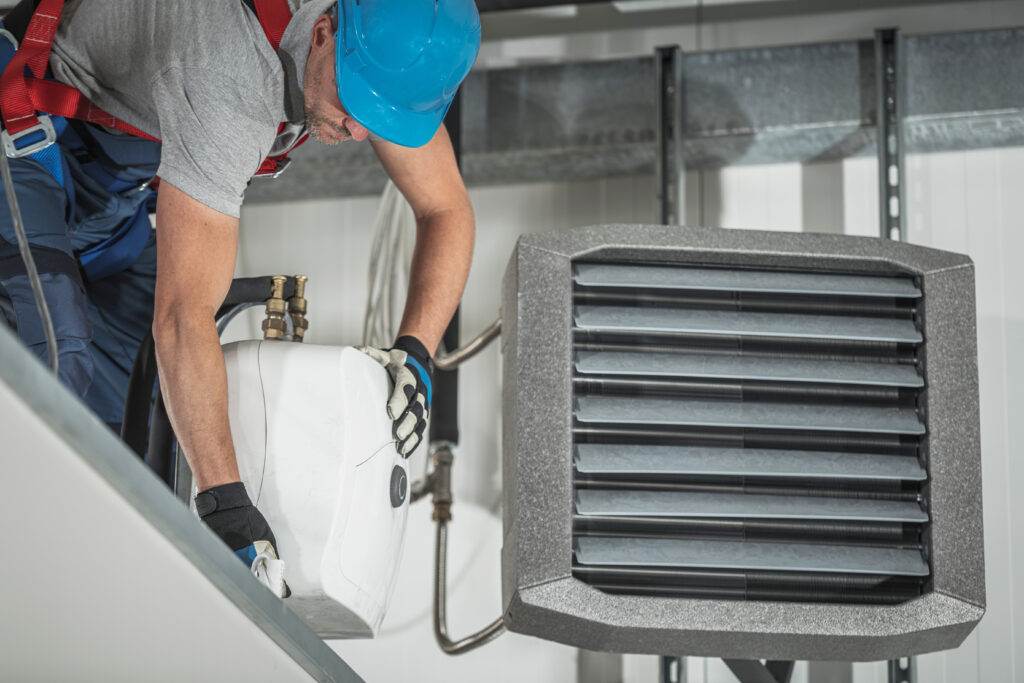
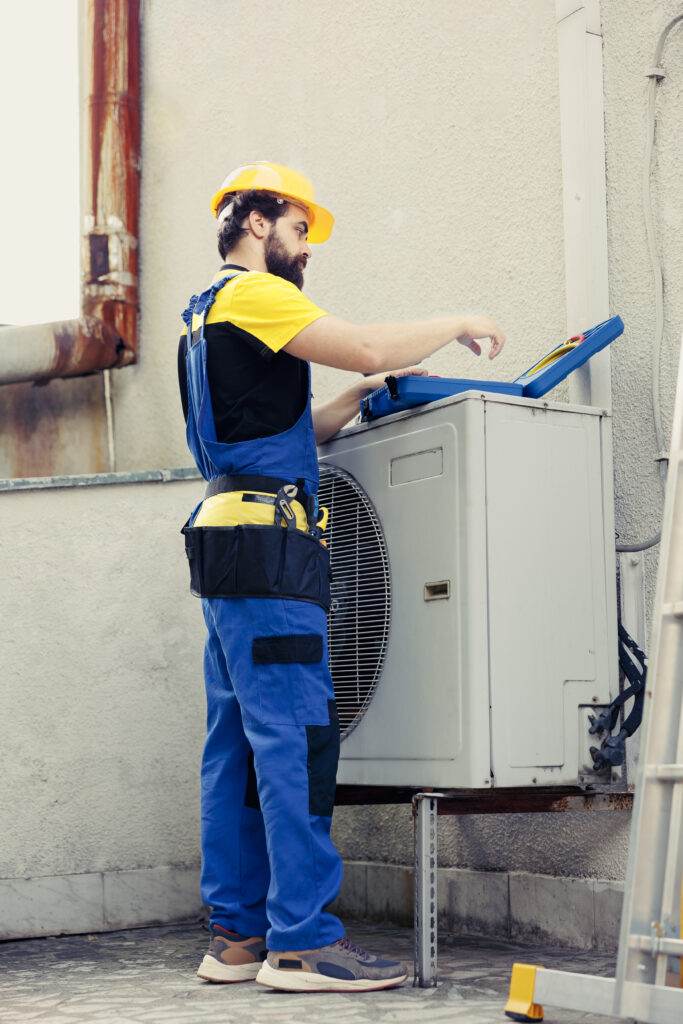
Proper installation and maintenance of HVAC filters are vital for ensuring their effectiveness in cleanroom environments. During installation, it is essential to follow manufacturer guidelines meticulously to avoid any gaps or leaks that could allow unfiltered air to enter the cleanroom. Sealing all edges and ensuring a snug fit will help maintain the integrity of the filtration system.
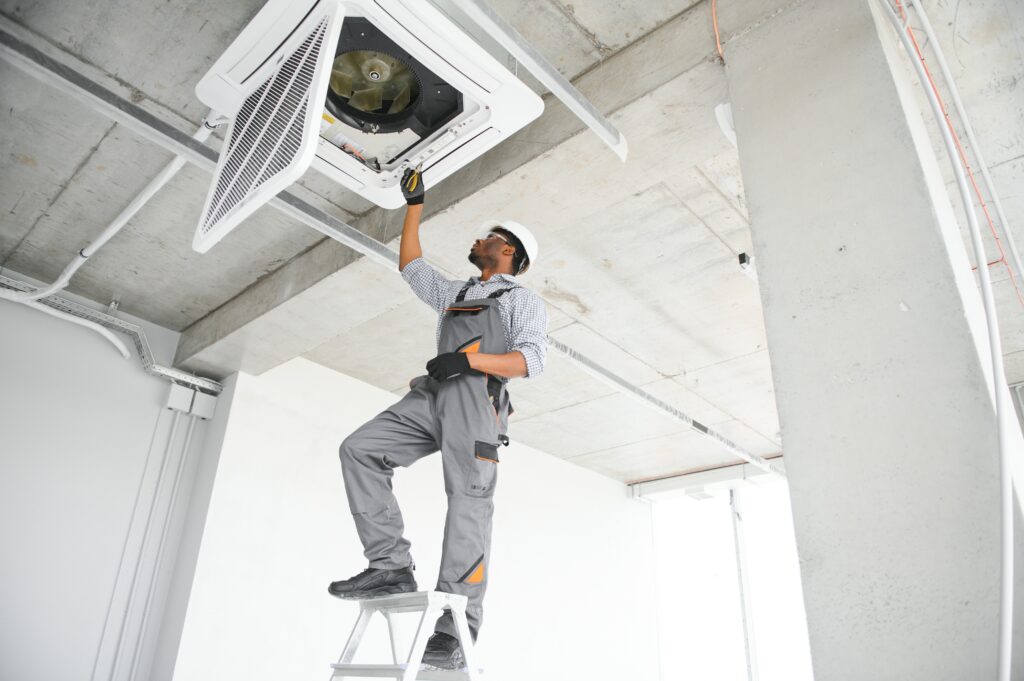
Regular maintenance is equally important for optimal filter performance. This includes routine inspections to check for signs of wear or damage and replacing filters according to a predetermined schedule based on usage and environmental conditions. In cleanrooms where particulate levels may fluctuate, operators should consider implementing a monitoring system that tracks filter performance and alerts staff when replacements are necessary.
By adhering to these best practices, cleanroom operators can ensure that their HVAC systems function efficiently and effectively.

Importance of Regular Inspections and Maintenance of HVAC Filters in Bay Area Cleanrooms
Regular inspections and maintenance of HVAC filters are crucial for sustaining air quality in Bay Area cleanrooms. Over time, filters can become clogged with particles, reducing their efficiency and potentially allowing contaminants to bypass the filtration system. Routine checks help identify when filters need replacement before they reach a point where they can no longer perform effectively.
Moreover, regular maintenance extends the lifespan of HVAC systems as a whole. Clogged filters can lead to increased strain on HVAC units, resulting in higher energy consumption and potential equipment failure. By implementing a proactive maintenance schedule that includes inspections and timely replacements, cleanroom operators can enhance system reliability while minimizing operational costs associated with energy inefficiency and equipment repairs.
Common Issues and Challenges in HVAC Filter Management for Bay Area Cleanrooms
Despite best efforts in managing HVAC filters, several common issues can arise in Bay Area cleanrooms. One significant challenge is the variability in particulate levels due to external environmental factors such as construction activities or seasonal changes. These fluctuations can lead to unexpected increases in filter loading, necessitating more frequent inspections and replacements than initially planned.
Another challenge is ensuring compliance with evolving regulatory standards related to air quality and cleanliness in cleanrooms. As regulations become more stringent, operators must stay informed about changes that may impact their filtration requirements. This necessitates ongoing education and training for staff responsible for managing HVAC systems and filters, ensuring they are equipped with the knowledge needed to adapt to new standards effectively.
Strategies for Extending the Lifespan of HVAC Filters in Bay Area Cleanrooms
Extending the lifespan of HVAC filters is not only cost-effective but also contributes to maintaining optimal air quality in cleanrooms. One effective strategy is implementing a pre-filter system that captures larger particles before they reach high-efficiency filters like HEPA or ULPThis approach reduces the load on primary filters, allowing them to function more efficiently for longer periods. Additionally, regular cleaning of pre-filters can significantly enhance overall system performance.
Depending on the type of pre-filter used, operators may be able to wash or vacuum them periodically rather than replacing them entirely. This practice not only prolongs filter life but also reduces waste and contributes to sustainability efforts within cleanroom operations.
The Impact of HVAC Filter Management on Energy Efficiency and Air Quality in Bay Area Cleanrooms
Effective HVAC filter management has a direct impact on both energy efficiency and air quality within Bay Area cleanrooms. High-quality filters that are properly maintained allow for optimal airflow while effectively capturing contaminants, leading to improved air quality that meets or exceeds regulatory standards. Conversely, poorly managed filters can lead to increased energy consumption as HVAC systems work harder to push air through clogged or inefficient filters.
By prioritizing filter management practices that enhance both air quality and energy efficiency, cleanroom operators can achieve significant cost savings over time while ensuring compliance with industry regulations. This dual focus not only benefits operational budgets but also supports broader sustainability initiatives by reducing energy consumption associated with heating, cooling, and ventilation processes.
Compliance with Regulatory Standards and Guidelines for HVAC Filter Management in Bay Area Cleanrooms
Compliance with regulatory standards is a critical aspect of HVAC filter management in Bay Area cleanrooms. Various organizations set forth guidelines that dictate acceptable levels of air quality and cleanliness within controlled environments. For instance, ISO 14644 outlines classifications for cleanrooms based on particle concentration levels, while other regulations may address specific industry requirements such as those found in pharmaceutical manufacturing.
To ensure compliance, cleanroom operators must stay informed about relevant regulations and implement appropriate filtration strategies accordingly. This may involve regular audits of filtration systems, documentation of maintenance activities, and adherence to established protocols for filter selection and replacement schedules. By maintaining compliance with these standards, operators not only protect their products but also uphold their reputation within their respective industries.
The Future of HVAC Filter Management for Bay Area Cleanrooms: Emerging Technologies and Trends
As technology continues to evolve, so too does the landscape of HVAC filter management in Bay Area cleanrooms. Emerging technologies such as smart sensors and IoT devices are increasingly being integrated into filtration systems to monitor air quality in real-time. These advancements allow operators to receive immediate feedback on filter performance and air quality metrics, enabling more proactive management strategies.
Additionally, innovations in filter materials are paving the way for more efficient filtration solutions that require less frequent replacements while maintaining high levels of performance. Research into nanofiber technology and electrostatic filtration methods holds promise for enhancing particle capture rates without significantly increasing pressure drops or energy consumption. As these technologies develop further, they will likely play a pivotal role in shaping the future of HVAC filter management within cleanrooms across Northern California.
In conclusion, effective HVAC filter management is essential for maintaining optimal air quality and compliance within Bay Area cleanrooms. By understanding the role of filters, selecting appropriate types based on specific needs, adhering to best practices for installation and maintenance, and staying informed about emerging technologies, cleanroom operators can ensure their facilities remain at the forefront of industry standards while safeguarding product integrity.
FAQs
What is HVAC filter management for cleanrooms?
HVAC filter management for cleanrooms involves the regular inspection, maintenance, and replacement of filters in the heating, ventilation, and air conditioning (HVAC) systems to ensure the cleanliness and quality of the air within the cleanroom environment.
Why is HVAC filter management important for cleanrooms?
Proper HVAC filter management is crucial for cleanrooms as it helps maintain the required air quality standards, prevents contamination, and ensures the safety of sensitive processes and products within the cleanroom environment.
What are the benefits of effective HVAC filter management for cleanrooms?
Effective HVAC filter management helps in maintaining a controlled and clean environment, reducing the risk of contamination, improving energy efficiency, and prolonging the lifespan of HVAC equipment.
How often should HVAC filters be inspected and replaced in cleanrooms?
The frequency of HVAC filter inspection and replacement in cleanrooms depends on factors such as the type of cleanroom, the level of cleanliness required, the type of filters used, and the operating conditions. However, it is generally recommended to inspect and replace filters at regular intervals, often every 3 to 6 months.
What are some common challenges in HVAC filter management for cleanrooms?
Common challenges in HVAC filter management for cleanrooms include selecting the right type of filters, ensuring proper installation, monitoring filter performance, and maintaining a schedule for regular inspection and replacement. Additionally, maintaining compliance with industry regulations and standards can also be a challenge.