High-volume visitor buildings are essential hubs in urban environments, serving as gateways for individuals seeking services, information, or experiences. These structures can range from government offices and corporate headquarters to museums and convention centers. The design and functionality of these buildings are tailored to accommodate a large influx of visitors, ensuring that their needs are met efficiently and effectively.
In Northern California, where tourism and business activities thrive, the significance of these buildings cannot be overstated. They play a crucial role in shaping the first impressions of visitors and establishing the reputation of the organizations they represent. The management of high-volume visitor buildings requires a strategic approach to ensure that every visitor feels welcomed and valued.
This involves not only the physical layout of the space but also the human element—specifically, the reception staff who serve as the face of the organization. The reception area is often the first point of contact for visitors, making it imperative that it is staffed by individuals who are trained in effective communication, customer service, and problem-solving. As we delve into the various aspects of reception etiquette, it becomes clear that a well-organized and welcoming environment can significantly enhance the visitor experience.


Key Takeaways
- High-volume visitor buildings require efficient management of visitor flow and security protocol to ensure a smooth and safe experience for all visitors.
- Reception etiquette is crucial in creating a positive first impression and setting the tone for visitor interactions within the building.
- Greeting and welcoming visitors with a friendly and professional demeanor helps to create a welcoming atmosphere and sets the stage for a positive visitor experience.
- Managing visitor flow is essential for maintaining order and ensuring that visitors are directed to their intended destinations in a timely manner.
- Security protocol and screening procedures are vital for the safety and security of both visitors and staff within high-volume visitor buildings.
The Importance of Reception Etiquette
Reception etiquette is a critical component of visitor management in high-volume buildings. It encompasses a range of behaviors and practices that contribute to a positive first impression. The reception area is not merely a waiting space; it is a reflection of the organization’s values and commitment to customer service.
Proper etiquette sets the tone for interactions and can influence how visitors perceive the organization as a whole. In high-traffic environments, where visitors may be anxious or hurried, the reception staff’s demeanor can either alleviate stress or exacerbate it. Moreover, effective reception etiquette fosters an atmosphere of professionalism and respect.
When staff members exhibit courteous behavior, such as greeting visitors promptly and addressing their needs with attentiveness, it creates a welcoming environment that encourages positive engagement. This is particularly important in Northern California, where diverse populations converge for various purposes. A well-trained reception team can bridge cultural gaps and ensure that all visitors feel acknowledged and respected, regardless of their background or reason for visiting.
Greeting and Welcoming Visitors
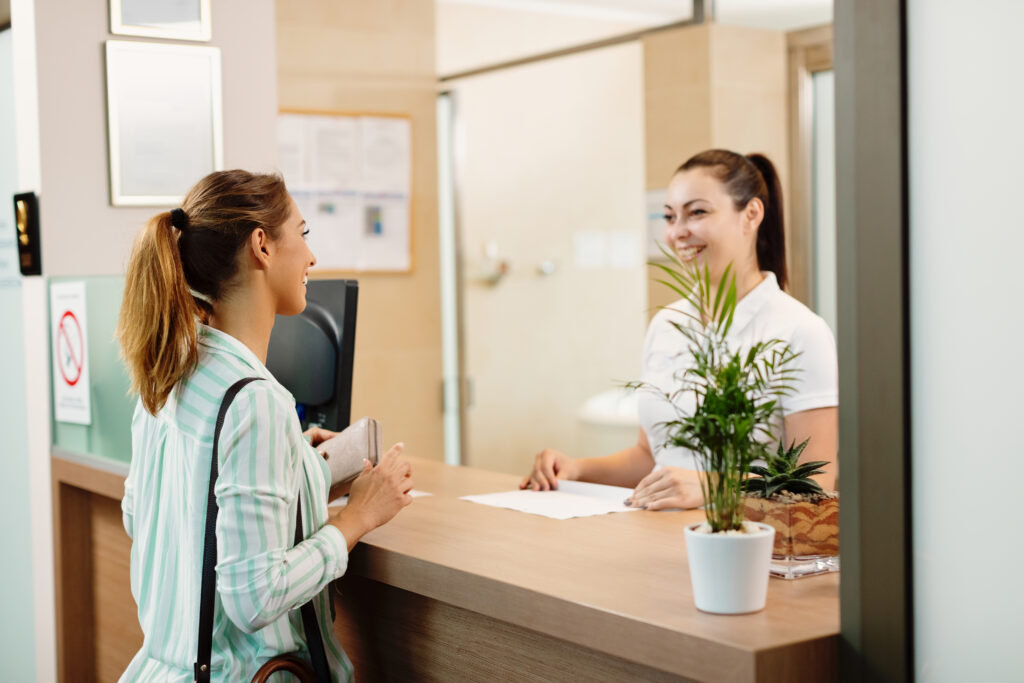
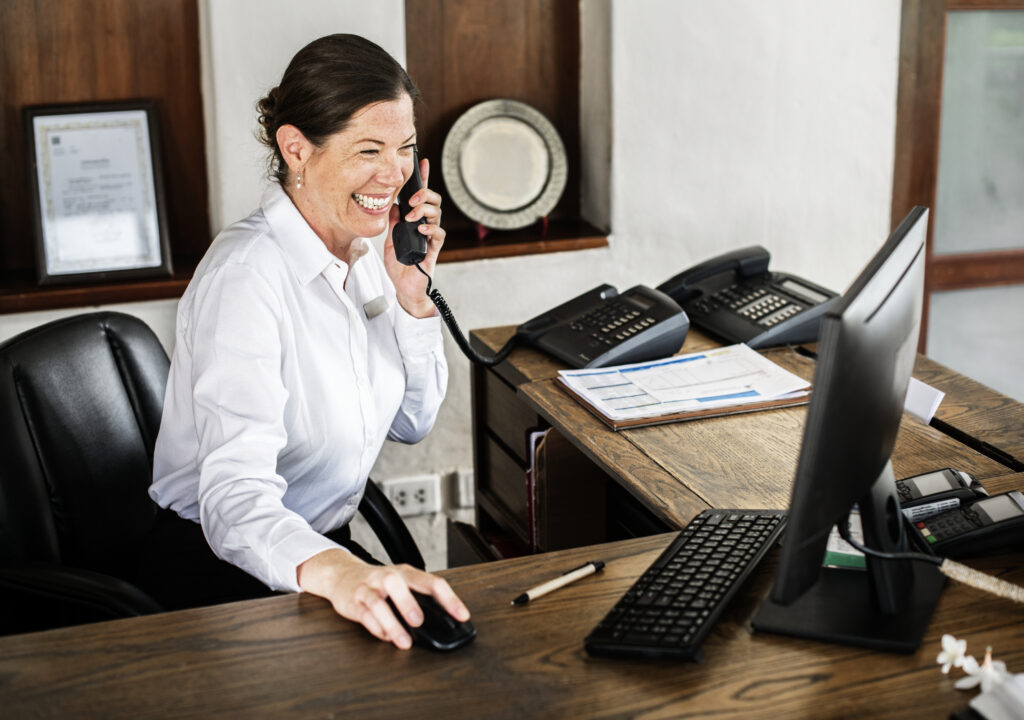
The act of greeting and welcoming visitors is foundational to effective reception etiquette. A warm and genuine greeting can set a positive tone for the entire visit. Reception staff should be trained to make eye contact, smile, and use welcoming language as soon as a visitor approaches the desk.
This initial interaction is crucial; it establishes rapport and makes visitors feel valued from the moment they enter the building. In high-volume settings, where multiple visitors may arrive simultaneously, it is essential for receptionists to prioritize each individual while maintaining an efficient workflow. In addition to verbal greetings, non-verbal communication plays a significant role in welcoming visitors.
Body language, posture, and facial expressions can convey openness and approachability. Reception staff should be mindful of their demeanor, ensuring that they appear attentive and ready to assist. A simple gesture, such as offering a seat or directing visitors to informational materials, can enhance their experience and demonstrate a commitment to exceptional service.
By creating an inviting atmosphere, receptionists can help ease any apprehensions visitors may have about navigating a busy environment.
Managing Visitor Flow
Managing visitor flow is a critical aspect of operations in high-volume visitor buildings. Efficiently directing foot traffic not only enhances the visitor experience but also ensures safety and security within the premises. Reception staff must be adept at assessing the flow of visitors and making real-time decisions to optimize movement throughout the building.
This may involve coordinating with security personnel or other staff members to manage queues effectively and prevent bottlenecks. To facilitate smooth visitor flow, clear signage is essential. Well-placed directional signs can guide visitors to their intended destinations without confusion.
Additionally, receptionists should be proactive in providing information about wait times or expected delays, allowing visitors to plan accordingly. In high-traffic situations, maintaining a calm and organized environment is paramount; this can be achieved through effective communication and teamwork among staff members. By prioritizing visitor flow management, organizations can create a more pleasant experience for everyone involved.
Security Protocol and Screening Procedures
In high-volume visitor buildings, security protocols are paramount to ensure the safety of both visitors and staff. Receptionists play a vital role in implementing these procedures while maintaining a welcoming atmosphere. It is essential for reception staff to be familiar with security measures, including screening processes for visitors entering the building.
This knowledge allows them to guide visitors through security checks efficiently while addressing any concerns they may have. Screening procedures should be communicated clearly to visitors upon arrival. Receptionists should explain what to expect during the security process, including any items that may be prohibited within the building.
By providing this information upfront, reception staff can help alleviate anxiety and foster compliance with security measures. Additionally, maintaining a professional demeanor during security checks reinforces the importance of safety while ensuring that visitors feel respected throughout the process.
Handling Visitor Inquiries and Requests
Handling inquiries and requests from visitors is a fundamental responsibility of reception staff in high-volume buildings. Visitors often arrive with specific questions or needs that require prompt attention. Receptionists should be equipped with comprehensive knowledge about the organization’s services, facilities, and policies to provide accurate information efficiently.
This expertise not only enhances the visitor experience but also builds trust in the organization’s capabilities. In addition to providing information, receptionists should actively listen to visitors’ inquiries and respond with empathy and understanding. This approach fosters positive interactions and encourages visitors to feel comfortable seeking assistance when needed.
If a request falls outside the receptionist’s purview, they should know how to escalate it appropriately or direct visitors to the right personnel who can assist further. By prioritizing effective communication and responsiveness, reception staff can ensure that all inquiries are handled professionally.
Providing Assistance to Visitors with Special Needs
In high-volume visitor buildings, it is essential to provide assistance to individuals with special needs or disabilities. Reception staff should be trained to recognize diverse needs and offer appropriate support without making assumptions about what assistance may be required. This includes being aware of accessibility features within the building and being prepared to guide visitors accordingly.
Creating an inclusive environment involves more than just physical accommodations; it also requires sensitivity in communication and interaction. Receptionists should approach individuals with special needs with respect and patience, allowing them to express their requirements without feeling rushed or pressured. By fostering an inclusive atmosphere, organizations demonstrate their commitment to serving all members of the community effectively.
Maintaining a Professional Appearance and Demeanor
A professional appearance and demeanor are vital components of effective reception etiquette in high-volume visitor buildings. Reception staff serve as representatives of the organization; therefore, their attire should reflect professionalism while adhering to any established dress codes. A polished appearance instills confidence in visitors and reinforces the organization’s commitment to excellence.
Beyond physical appearance, maintaining a professional demeanor involves exhibiting composure under pressure, especially during busy periods when multiple visitors may require assistance simultaneously. Receptionists should remain calm and focused, demonstrating problem-solving skills while managing competing demands. This level of professionalism not only enhances the visitor experience but also contributes to a positive workplace culture among staff members.


Communication and Interactions with Visitors
Effective communication is at the heart of successful interactions between reception staff and visitors in high-volume buildings. Clear verbal communication is essential; receptionists should articulate information concisely while ensuring that visitors understand any instructions or guidance provided. Additionally, non-verbal cues such as body language and facial expressions play a significant role in conveying warmth and approachability.
Active listening is another critical aspect of communication in this context. Receptionists should engage with visitors by asking clarifying questions when necessary and demonstrating genuine interest in their needs or concerns. This approach fosters trust and encourages open dialogue between staff and visitors.
By prioritizing effective communication strategies, organizations can create an environment where visitors feel heard and valued.
Dealing with Difficult or Disruptive Visitors
Dealing with difficult or disruptive visitors is an inevitable challenge in high-volume visitor buildings. Reception staff must be equipped with conflict resolution skills to address such situations calmly and professionally. It is essential for receptionists to remain composed when faced with challenging behavior while prioritizing the safety and comfort of all visitors.
When encountering disruptive individuals, receptionists should employ de-escalation techniques such as active listening, empathy, and offering solutions where possible. It is crucial to maintain a respectful tone while addressing any concerns raised by the visitor. If necessary, receptionists should know when to involve security personnel or other staff members trained in conflict resolution to ensure that the situation is handled appropriately without compromising safety.
Conclusion and Best Practices for Reception Etiquette in High-Volume Visitor Buildings
In conclusion, effective reception etiquette is paramount in high-volume visitor buildings throughout Northern California. The way visitors are greeted, assisted, and managed significantly impacts their overall experience and perception of the organization they are visiting. By prioritizing professionalism, effective communication, and inclusivity, reception staff can create an environment that fosters positive interactions.
Best practices for reception etiquette include maintaining a welcoming demeanor at all times, actively listening to visitor inquiries, managing flow efficiently, adhering to security protocols while ensuring comfort, providing assistance to those with special needs, and handling difficult situations with grace. By implementing these strategies consistently, organizations can enhance their reputation as welcoming spaces that prioritize exceptional service for all visitors who walk through their doors.
FAQs
What are reception etiquette guidelines for high-volume visitor buildings?
Reception etiquette guidelines for high-volume visitor buildings are a set of rules and expectations for visitors and staff to follow in order to maintain a professional and efficient environment in the building’s reception area.
Why are reception etiquette guidelines important for high-volume visitor buildings?
Reception etiquette guidelines are important for high-volume visitor buildings to ensure smooth and organized operations, create a positive first impression for visitors, and maintain a professional and respectful environment for all individuals entering the building.
What are some common reception etiquette guidelines for high-volume visitor buildings?
Common reception etiquette guidelines for high-volume visitor buildings may include rules for visitor check-in procedures, appropriate behavior in the reception area, communication with reception staff, and adherence to building security protocols.
How can reception etiquette guidelines benefit high-volume visitor buildings?
Reception etiquette guidelines can benefit high-volume visitor buildings by improving visitor experiences, increasing efficiency in managing large numbers of visitors, and contributing to the overall professionalism and security of the building.
Who is responsible for enforcing reception etiquette guidelines in high-volume visitor buildings?
Reception etiquette guidelines in high-volume visitor buildings are typically enforced by reception staff, security personnel, and building management. It is the responsibility of these individuals to ensure that visitors and staff adhere to the established guidelines.