Industrial environments are complex ecosystems where the continuous operation of machinery and processes is paramount. The very fabric of these operations, their “pulse” if you will, depends heavily on the reliable performance of Mechanical, Electrical, and Plumbing (MEP) systems, with Heating, Ventilation, and Air Conditioning (HVAC) playing a particularly critical role. Disruptions, even minor ones, can cascade into significant production losses, safety hazards, and financial setbacks. Therefore, mastering the maintenance of these vital systems is not merely a best practice; it is a fundamental requirement for achieving and sustaining zero downtime. This article will delve into the intricacies of industrial HVAC and MEP maintenance, offering a comprehensive understanding of the strategies and technologies essential for maintaining an uninterrupted operational rhythm.
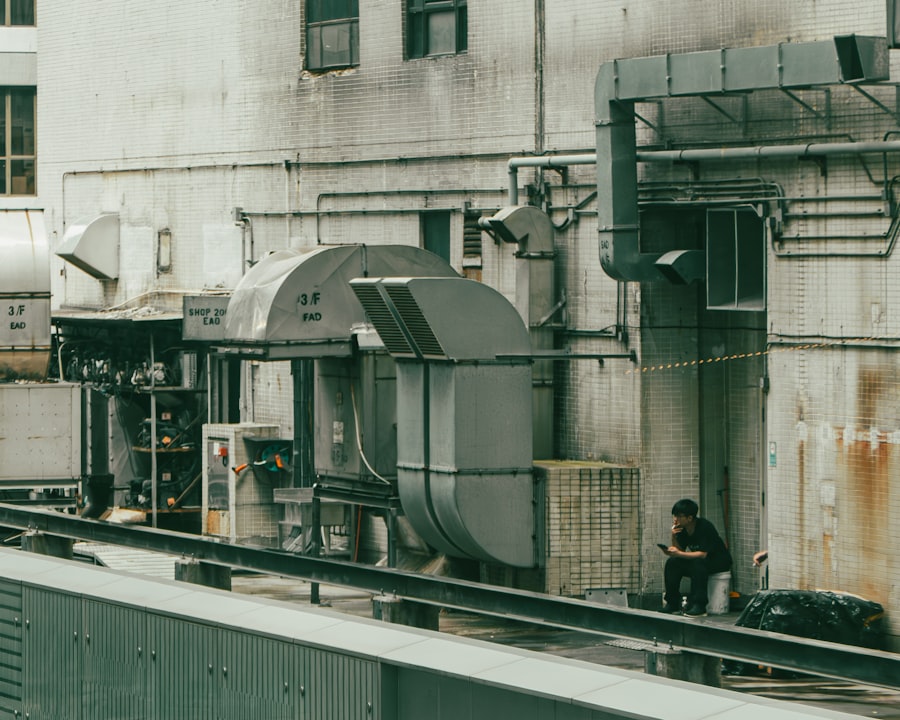
Industrial HVAC systems are distinct from their commercial or residential counterparts, not only in scale but also in the specific demands placed upon them. They are the lungs of an industrial facility, regulating temperature, humidity, air quality, and pressure, all of which are crucial for process integrity, equipment longevity, and personnel safety.
Beyond Comfort: Process-Critical Climate Control
In many industrial settings, HVAC extends far beyond mere human comfort. Consider a data center, where precise temperature and humidity control are non-negotiable for preventing equipment overheating and static discharge. Similarly, pharmaceutical manufacturing facilities rely on meticulously controlled environments to prevent contamination and ensure product efficacy. Even in heavy manufacturing, where extreme temperatures are common, HVAC systems are vital for dissipating heat generated by machinery, preventing thermal stress on equipment, and maintaining safe working conditions.
Air Quality and Contamination Control
Industrial processes often generate particulates, fumes, and volatile organic compounds (VOCs). HVAC systems, particularly those incorporating specialized filtration, air scrubbing, and exhaust capabilities, are instrumental in managing these airborne contaminants. This is crucial for compliance with environmental regulations, protecting worker health, and preventing process contamination that could compromise product quality or even lead to catastrophic failures in sensitive operations.
Pressure Regimes and Controlled Environments
Certain industrial processes necessitate maintaining specific pressure differentials between manufacturing zones. Cleanrooms, for instance, rely on positive pressure to prevent the ingress of unfiltered air, while hazardous material handling areas might utilize negative pressure to contain contaminants. Industrial HVAC systems are engineered to create and sustain these precise pressure regimes, forming an invisible barrier that safeguards both product and personnel.
The Pillars of MEP: Electrical, Plumbing, and Their Interdependence
While HVAC often captures immediate attention due to its direct impact on environmental parameters, the electrical and plumbing infrastructure are equally indispensable. They are the circulatory and nervous systems of an industrial facility, providing power and essential fluids that enable all other operations.
Electrical Systems: The Lifeblood of Industry
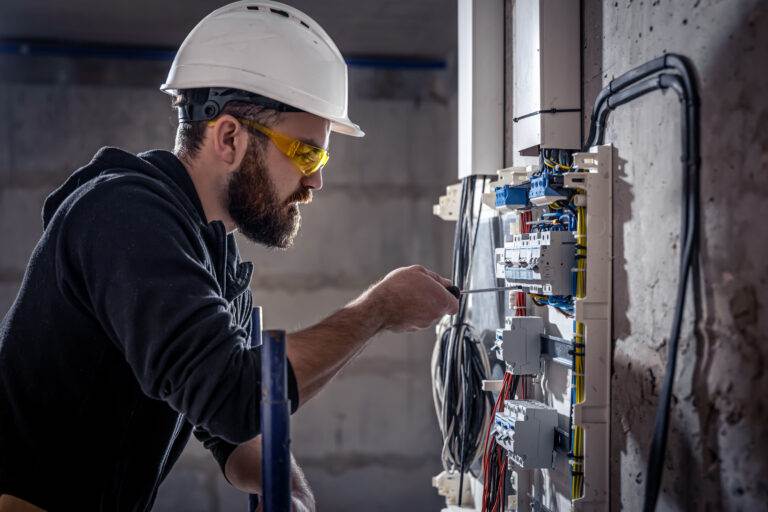
Industrial electrical systems are vastly more complex than those found in commercial buildings, encompassing high-voltage power distribution, motor control centers, intricate wiring for process automation, and critical backup power solutions. Their uninterrupted operation is non-negotiable. A momentary power flicker can trigger a shutdown of complex machinery, leading to production delays and potentially damaging sensitive electronics.
Power Distribution and Redundancy
Reliable power distribution starts with robust infrastructure, including transformers, switchgear, and protective relays designed for industrial loads. Redundancy, often in the form of multiple utility feeds, uninterruptible power supplies (UPS), and generators, is a cornerstone of zero-downtime strategies. This ensures that even in the event of a primary power failure, critical operations can seamlessly transition to alternative sources.
Motor Control and Automation
Modern industrial facilities are heavily automated, relying on sophisticated motor control centers (MCCs) and programmable logic controllers (PLCs) to manage machinery. The electrical systems feeding these controls must be meticulously maintained to prevent erroneous signals, motor failures, and system outages. Regular thermal imaging and resistance testing can identify impending failures before they escalate.
Plumbing Systems: The Unseen Network
Industrial plumbing encompasses more than just potable water and waste disposal. It includes systems for process water (cooling, heating, and chemical mixing), compressed air, inert gases, and even specialized fluid transport for hydraulic or pneumatic applications. A leak in a process water line or a drop in compressed air pressure can have immediate and far-reaching consequences.
Process Water Management
Many industrial processes are highly dependent on specific water quality and temperature. Cooling towers, chillers, and filtration systems are integral parts of industrial plumbing. Regular water treatment, scale removal, and leak detection are critical for maintaining efficiency and preventing corrosion or contamination that could impact product quality or equipment lifespan.
Compressed Air and Gas Distribution
Compressed air is often considered the fourth utility in industrial settings. From operating pneumatic tools to actuating valves and conveying materials, its reliability is paramount. Leaks in compressed air lines can lead to significant energy waste and system pressure drops, affecting operational efficiency. Similarly, the integrity of inert gas distribution systems is crucial for inerting processes, preventing oxidation, and ensuring safety in hazardous environments.
Proactive Maintenance Strategies for Zero Downtime
Achieving zero downtime is not an accident; it is the deliberate outcome of a well-structured and diligently executed maintenance program. This involves shifting from reactive “fix-it-when-it-breaks” approaches to proactive, predictive methodologies.
The Foundation: Preventive Maintenance (PM)
Preventive maintenance is the bedrock of any robust maintenance strategy. It involves scheduled inspections, cleaning, lubrication, and component replacements based on manufacturer recommendations and historical data. Think of PM as regular check-ups for your machinery, identifying and addressing minor issues before they escalate into major failures.
Scheduled Inspections and Cleaning
Regular visual inspections of HVAC units, electrical panels, plumbing lines, and their components can reveal early signs of wear, corrosion, or impending failure. Cleaning coils, filters, and electrical contacts prevents efficiency degradation and overheating. Documenting these inspections and their findings provides invaluable data for trend analysis.
Lubrication and Component Replacement
Proper lubrication reduces friction and wear in moving parts, extending their lifespan. Adhering to manufacturer-recommended lubrication schedules and using the correct types of lubricants are vital. Similarly, replacing wear-and-tear components like belts, bearings, and seals proactively, before they fail, eliminates a significant source of unplanned downtime.
Elevating Reliability: Predictive Maintenance (PdM)
Predictive maintenance takes PM a step further by using advanced technologies to monitor the condition of equipment in real-time or near real-time, predicting potential failures before they occur. This allows for maintenance to be performed only when needed, optimizing resource allocation and minimizing disruption. It’s like having sophisticated medical diagnostics for your industrial assets.
Vibration Analysis
For rotating machinery like motors, pumps, and fans, vibration analysis can detect imbalances, misalignments, loose bearings, and other mechanical faults. By monitoring changes in vibration signatures, technicians can pinpoint specific issues and schedule corrective action before a catastrophic failure occurs.
Thermal Imaging (Thermography)
Infrared thermal imaging is invaluable for identifying hotspots in electrical panels, motor windings, bearings, and even insulation failures in HVAC ducts or pipework. Elevated temperatures often indicate excessive resistance, friction, or impending component failure. Early detection allows for targeted repairs, preventing electrical fires or equipment damage.
Oil Analysis
For systems relying on lubricating oil or hydraulic fluids, regular oil analysis provides a wealth of information about the condition of the machinery. Contaminant levels, presence of wear metals, viscosity changes, and degradation of additives can indicate internal component wear, leaks, or filter issues, allowing for proactive intervention.
Ultrasonic Testing
Ultrasonic testing can detect air and gas leaks in compressed air systems, steam traps, and even electrical discharges (arc and corona). These leaks, often inaudible to the human ear, contribute significantly to energy waste and can indicate impending electrical insulation breakdown.
The Power of Integration: CMMS and IoT for Smart Maintenance
Modern industrial maintenance is increasingly reliant on integrated systems that centralize data, automate processes, and provide actionable insights. Computerized Maintenance Management Systems (CMMS) and the Internet of Things (IoT) are at the forefront of this revolution, transforming how we approach maintenance.
Centralizing Data with CMMS
A robust CMMS is the nerve center of a maintenance operation. It provides a centralized database for managing work orders, asset histories, preventive maintenance schedules, spare parts inventory, and labor resources. By integrating all maintenance-related information, CMMS enables better planning, resource allocation, and accountability.
Work Order Management and Scheduling
CMMS automates the creation, assignment, and tracking of work orders, ensuring that maintenance tasks are executed efficiently. It also allows for the scheduling of preventive maintenance activities, ensuring that no critical task is overlooked.
Asset Tracking and History
Each asset in the CMMS has a detailed history, including all past maintenance activities, repairs, and component replacements. This historical data is crucial for identifying recurring issues, understanding asset performance over time, and making informed decisions about repair versus replacement.
The Revolution of IoT and Condition Monitoring
The Internet of Things (IoT) is bringing a new level of intelligence to industrial maintenance. By embedding sensors into equipment, facilities can continuously collect real-time data on parameters like temperature, pressure, vibration, current draw, and fluid levels. This data is then transmitted to a central system for analysis, often leveraging artificial intelligence (AI) and machine learning (ML) algorithms to detect anomalies and predict failures with remarkable accuracy. Think of it as giving your machines a voice to tell you when they’re feeling unwell, even before symptoms are visible.
Real-time Performance Monitoring
IoT sensors provide an unprecedented level of insight into equipment performance. Deviations from normal operating parameters can trigger immediate alerts, allowing maintenance teams to investigate and intervene before a complete breakdown occurs.
Predictive Analytics and Anomaly Detection
Advanced analytical tools process the vast amounts of data collected by IoT sensors. Machine learning algorithms can identify subtle patterns and correlations that human operators might miss, accurately predicting when a component is likely to fail. This enables truly proactive maintenance, allowing for planned downtime when necessary, or even maintenance while the system continues to operate.
Building a Culture of Reliability
| Metric | Description | Value | Unit | Target |
|---|---|---|---|---|
| HVAC System Uptime | Percentage of time HVAC systems are operational without failure | 99.5 | % | 99.9% |
| MEP Maintenance Frequency | Number of scheduled maintenance activities per month | 12 | times/month | 12 |
| Average Downtime per Incident | Average duration of downtime caused by HVAC or MEP failures | 30 | minutes | <15 minutes |
| Energy Efficiency Improvement | Percentage improvement in energy consumption after maintenance | 8 | % | 10% |
| Preventive Maintenance Compliance | Percentage of maintenance tasks completed on schedule | 95 | % | 100% |
| Emergency Repair Rate | Number of emergency repairs per quarter | 2 | incidents | <1 |
| System Performance Monitoring | Percentage of systems monitored in real-time | 85 | % | 100% |
Technology and sophisticated systems are powerful tools, but they are ultimately dependent on the human element. Achieving zero downtime requires more than just well-maintained equipment; it demands a culture of reliability throughout the organization. This culture fosters continuous improvement, safety, and a shared commitment to operational excellence.
Training and Skill Development
Maintenance technicians are at the coal face of ensuring operational continuity. Investing in their continuous training and skill development is paramount. This includes staying abreast of new technologies, honing diagnostic abilities, and understanding the specific requirements of complex industrial systems. A well-trained workforce is a proactive workforce.
Cross-Functional Collaboration
Maintenance is not an isolated department. It requires seamless collaboration with operations, production, engineering, and even procurement. Operations personnel, for instance, are often the first to notice subtle changes in equipment behavior. Engineering input is crucial for understanding system design and potential failure modes. Procurement ensures the timely availability of quality spare parts. Effective communication and teamwork are the lubricants that allow the entire industrial machine to run smoothly.
Continuous Improvement and Post-Mortem Analysis
Even with the most robust maintenance programs, equipment failures can occasionally occur. When they do, it’s an opportunity for learning and improvement. Thorough post-mortem analysis (root cause analysis) is essential to understand why the failure occurred, what contributing factors were present, and what measures can be implemented to prevent recurrence. This iterative process of learning and adapting is key to continually enhancing reliability and moving closer to the elusive goal of zero downtime.
In conclusion, mastering industrial HVAC and MEP maintenance for zero downtime is a multifaceted endeavor. It requires a strategic blend of traditional preventive measures, cutting-edge predictive technologies, integrated management systems, and, critically, a committed and well-trained workforce. By viewing HVAC and MEP systems not merely as utilities, but as the pulsating heart and vital arteries of the industrial enterprise, organizations can proactively safeguard their operations, unlock sustained productivity, and ensure a resilient future.”