In recent years, the push for sustainability has permeated various sectors, including landscaping. Zero-emission landscaping equipment represents a significant shift in how we approach outdoor maintenance and beautification. This equipment is designed to operate without emitting harmful pollutants, making it an essential component of environmentally responsible landscaping practices.
As Northern California continues to grapple with air quality issues and climate change, the adoption of zero-emission equipment becomes increasingly vital. The transition to zero-emission landscaping equipment is not merely a trend; it is a necessary evolution in the industry. With advancements in battery technology and electric motors, landscapers can now utilize tools that are not only efficient but also environmentally friendly.
This shift aligns with broader goals of reducing carbon footprints and promoting cleaner air, particularly in urban areas where landscaping plays a crucial role in community aesthetics and ecological health.


Key Takeaways
- Zero-emission landscaping equipment offers a sustainable alternative to traditional gas-powered tools, reducing environmental impact and improving air quality.
- Using zero-emission landscaping equipment can lead to significant environmental benefits, including reduced greenhouse gas emissions and noise pollution.
- Switching to zero-emission landscaping equipment can result in long-term cost savings and improved efficiency, with lower fuel and maintenance costs.
- There are various types of zero-emission landscaping equipment available, including battery-powered mowers, trimmers, blowers, and chainsaws.
- Government incentives and rebates are available to support the adoption of zero-emission landscaping equipment, making it more affordable for businesses and individuals.
Environmental Benefits of Zero-Emission Landscaping Equipment
The environmental benefits of zero-emission landscaping equipment are profound and multifaceted. First and foremost, these tools significantly reduce air pollution. Traditional gas-powered equipment emits carbon dioxide, nitrogen oxides, and particulate matter, all of which contribute to poor air quality and respiratory issues.
By contrast, zero-emission equipment operates quietly and cleanly, helping to improve the air we breathe in Northern California’s diverse landscapes. Moreover, the use of zero-emission equipment contributes to noise reduction, which is particularly beneficial in residential areas and public parks. The quiet operation of electric mowers, trimmers, and blowers allows for landscaping work to be conducted without disturbing the peace of neighborhoods or wildlife habitats.
This aspect is especially important in regions where natural soundscapes are valued for their tranquility and ecological significance.
Cost Savings and Efficiency of Zero-Emission Landscaping Equipment
While the initial investment in zero-emission landscaping equipment may be higher than traditional gas-powered tools, the long-term cost savings can be substantial. Electric equipment typically requires less maintenance than their gas counterparts, as they have fewer moving parts and do not need oil changes or fuel refills. This reduction in maintenance translates to lower operational costs over time, making zero-emission tools a financially savvy choice for landscaping businesses.
Additionally, the efficiency of zero-emission equipment cannot be overlooked. Many electric tools offer instant torque and consistent power delivery, allowing for smoother operation and improved productivity. Landscapers can complete tasks more quickly and effectively, which can lead to increased job satisfaction and client retention.
In a competitive market like Northern California, where efficiency can set businesses apart, adopting zero-emission equipment can provide a significant advantage.
Types of Zero-Emission Landscaping Equipment
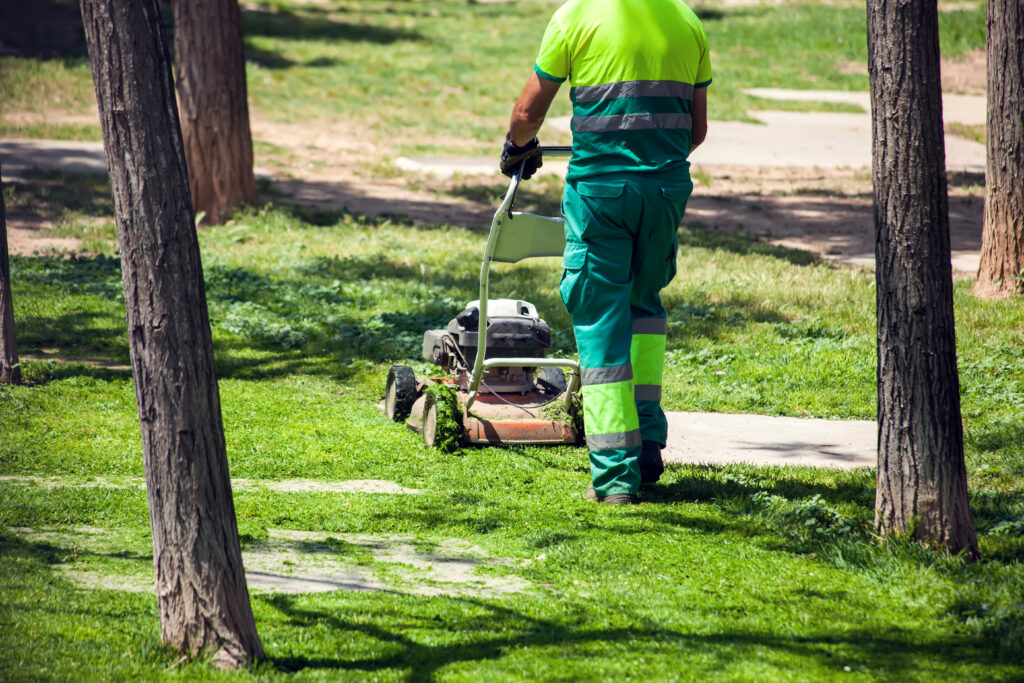
The range of zero-emission landscaping equipment available today is diverse and continually expanding. Electric mowers are among the most popular choices, offering powerful cutting capabilities without the noise and emissions associated with gas models. These mowers come in various sizes, catering to both residential lawns and larger commercial properties.
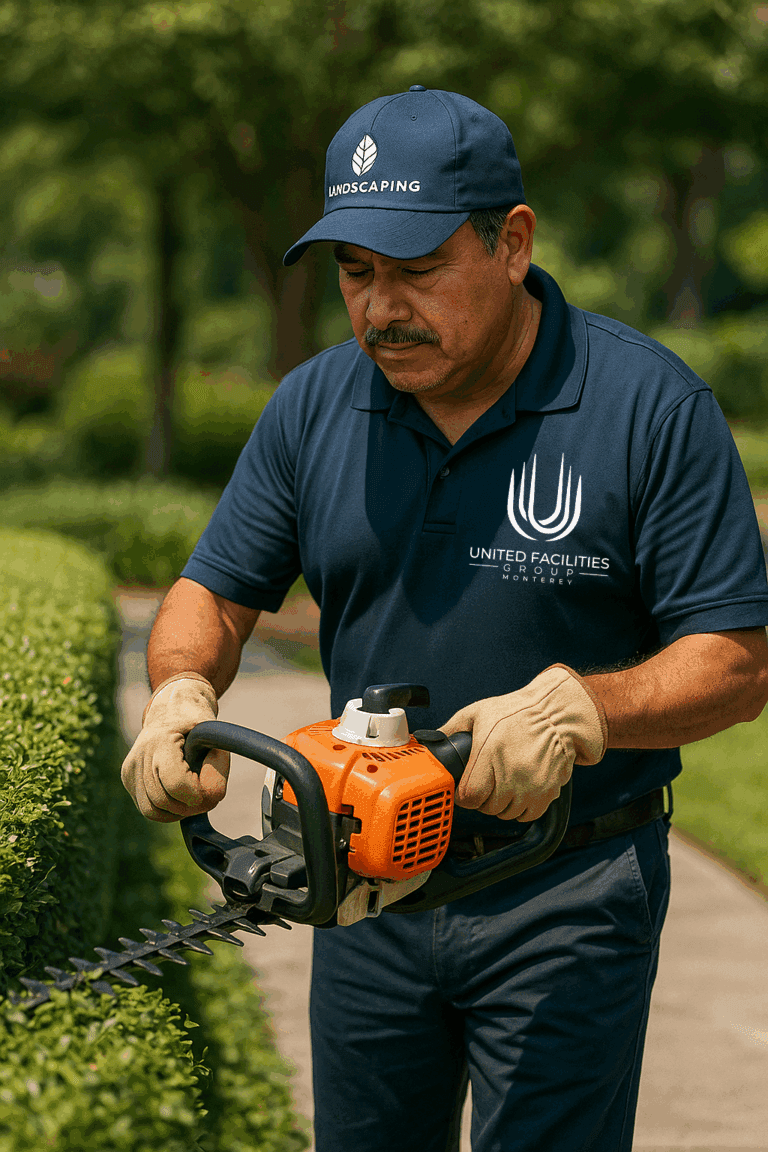
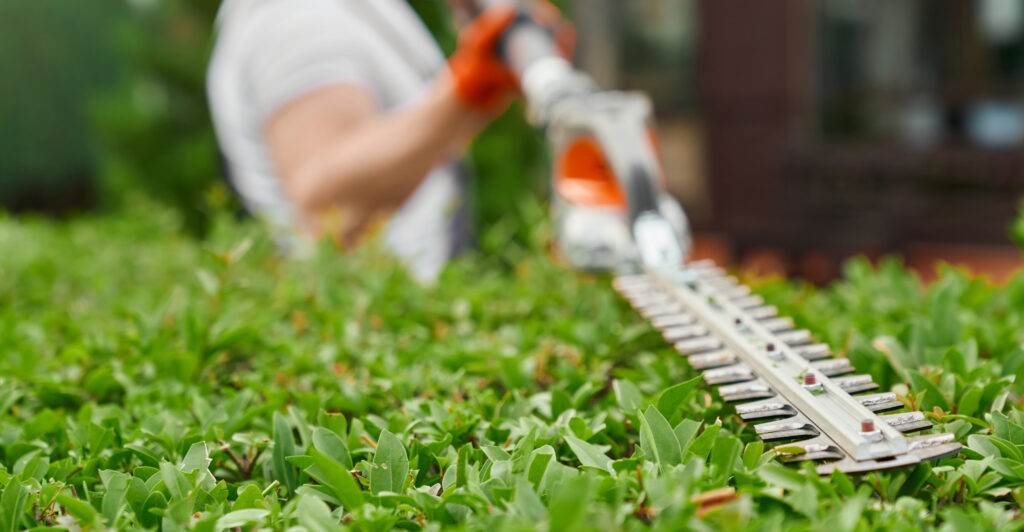
In addition to mowers, electric trimmers and blowers have gained traction among landscapers seeking to minimize their environmental impact. These tools are designed for ease of use and often feature lightweight designs that reduce operator fatigue. Battery-powered chainsaws and hedge trimmers are also becoming increasingly common, providing landscapers with versatile options for various tasks while maintaining a commitment to sustainability.

Government Incentives and Rebates for Zero-Emission Landscaping Equipment
To encourage the adoption of zero-emission landscaping equipment, various government incentives and rebates are available at both state and local levels. In Northern California, initiatives aimed at reducing greenhouse gas emissions often include financial assistance for businesses transitioning to cleaner technologies. These programs can significantly offset the initial costs associated with purchasing electric landscaping tools.
For instance, some municipalities offer rebates for electric lawnmowers or provide tax credits for businesses that invest in zero-emission equipment. Additionally, state programs may provide grants or low-interest loans specifically designed for landscaping companies looking to upgrade their fleets. By taking advantage of these incentives, landscapers can make the switch to zero-emission equipment more economically feasible.
Case Studies of Successful Implementation of Zero-Emission Landscaping Equipment
Several landscaping companies in Northern California have successfully implemented zero-emission equipment into their operations, showcasing the benefits of this transition. One notable example is a landscaping firm that adopted electric mowers and trimmers across its fleet. The company reported a significant reduction in fuel costs and maintenance expenses while also enhancing its reputation as an environmentally responsible business.
Another case study involves a municipal parks department that transitioned to zero-emission equipment for maintaining public spaces. The department found that not only did they reduce their carbon footprint, but they also received positive feedback from residents who appreciated the quieter operation of electric tools. This shift not only improved air quality but also fostered community engagement around sustainability initiatives.
Maintenance and Operation of Zero-Emission Landscaping Equipment
Maintaining zero-emission landscaping equipment is generally simpler than caring for traditional gas-powered tools. Electric motors require less frequent servicing due to fewer moving parts, which means less downtime for landscapers. Regular checks on battery health and charging systems are essential to ensure optimal performance, but these tasks are typically straightforward.
Operators should also familiarize themselves with the specific requirements of their electric tools. Understanding battery management—such as charging cycles and storage conditions—can extend the lifespan of the equipment significantly. By prioritizing proper maintenance practices, landscapers can maximize the efficiency and longevity of their zero-emission tools.
Considerations for Purchasing Zero-Emission Landscaping Equipment
When considering the purchase of zero-emission landscaping equipment, several factors should be taken into account. First, landscapers should evaluate their specific needs based on the types of jobs they undertake. For instance, a company focused on large commercial properties may require more robust electric mowers with longer battery life compared to one servicing smaller residential lawns.
Additionally, compatibility with existing tools and systems is crucial. Some manufacturers offer interchangeable batteries across their product lines, which can enhance convenience and reduce costs over time. It’s also wise to consider warranty options and customer support services when selecting equipment, as these factors can significantly impact long-term satisfaction with the purchase.
Training and Education for Zero-Emission Landscaping Equipment
As zero-emission landscaping equipment becomes more prevalent, training and education for operators are essential. Landscapers must understand how to effectively use electric tools to maximize their benefits while ensuring safety during operation. Many manufacturers provide training resources or workshops that cover best practices for using their products.
Furthermore, ongoing education about advancements in technology is vital as the industry evolves rapidly. Landscapers who stay informed about new developments in battery technology or innovative tool designs will be better positioned to adapt to changing market demands and maintain a competitive edge.
Future Trends and Innovations in Zero-Emission Landscaping Equipment
The future of zero-emission landscaping equipment looks promising as technology continues to advance. Innovations such as improved battery efficiency and faster charging times are on the horizon, making electric tools even more practical for landscapers. Additionally, manufacturers are exploring smart technology integration that allows operators to monitor performance metrics through mobile applications.
Sustainability trends are also influencing design choices, with an increasing focus on using recycled materials in manufacturing processes. As consumer demand for eco-friendly products grows, we can expect to see even more options for zero-emission landscaping equipment that align with environmental goals.
The Future of Zero-Emission Landscaping Equipment
In conclusion, zero-emission landscaping equipment represents a transformative shift in how we approach outdoor maintenance in Northern California. The environmental benefits are clear—reduced air pollution and noise contribute to healthier communities and ecosystems. Moreover, the cost savings associated with lower maintenance needs make these tools an economically sound investment for landscaping businesses.
As government incentives encourage adoption and innovations continue to emerge, the future of zero-emission landscaping equipment appears bright. By embracing these advancements, landscapers can not only enhance their operational efficiency but also play a pivotal role in promoting sustainability within their communities. The transition to zero-emission equipment is not just a trend; it is an essential step toward a greener future for all.
FAQs
What is zero-emission landscaping equipment?
Zero-emission landscaping equipment refers to tools and machinery used for landscaping and gardening that produce no greenhouse gas emissions or air pollutants during operation. This equipment is powered by electric batteries or other non-combustion sources, such as solar power.
What are the benefits of using zero-emission landscaping equipment?
The benefits of using zero-emission landscaping equipment include reduced air and noise pollution, lower operating costs due to decreased fuel consumption, and improved worker health and safety. Additionally, using this equipment can help landscaping businesses meet environmental regulations and attract environmentally conscious customers.
What is the return on investment (ROI) for zero-emission landscaping equipment?
The return on investment for zero-emission landscaping equipment can vary depending on factors such as the initial cost of the equipment, fuel savings, maintenance costs, and potential incentives or rebates for using environmentally friendly equipment. In general, businesses can expect to see long-term cost savings and potential marketing advantages from investing in zero-emission landscaping equipment.
What types of zero-emission landscaping equipment are available?
Zero-emission landscaping equipment includes electric lawn mowers, leaf blowers, hedge trimmers, chainsaws, and other handheld tools, as well as larger machinery such as electric-powered skid steer loaders, compact tractors, and utility vehicles. There is a wide range of options available to suit different landscaping needs and applications.
Are there any government incentives for using zero-emission landscaping equipment?
Some governments offer incentives, rebates, or tax credits for businesses and individuals who purchase and use zero-emission landscaping equipment. These incentives are often part of broader efforts to reduce air pollution and combat climate change. Businesses should research available incentives in their area to maximize the financial benefits of investing in zero-emission equipment.